



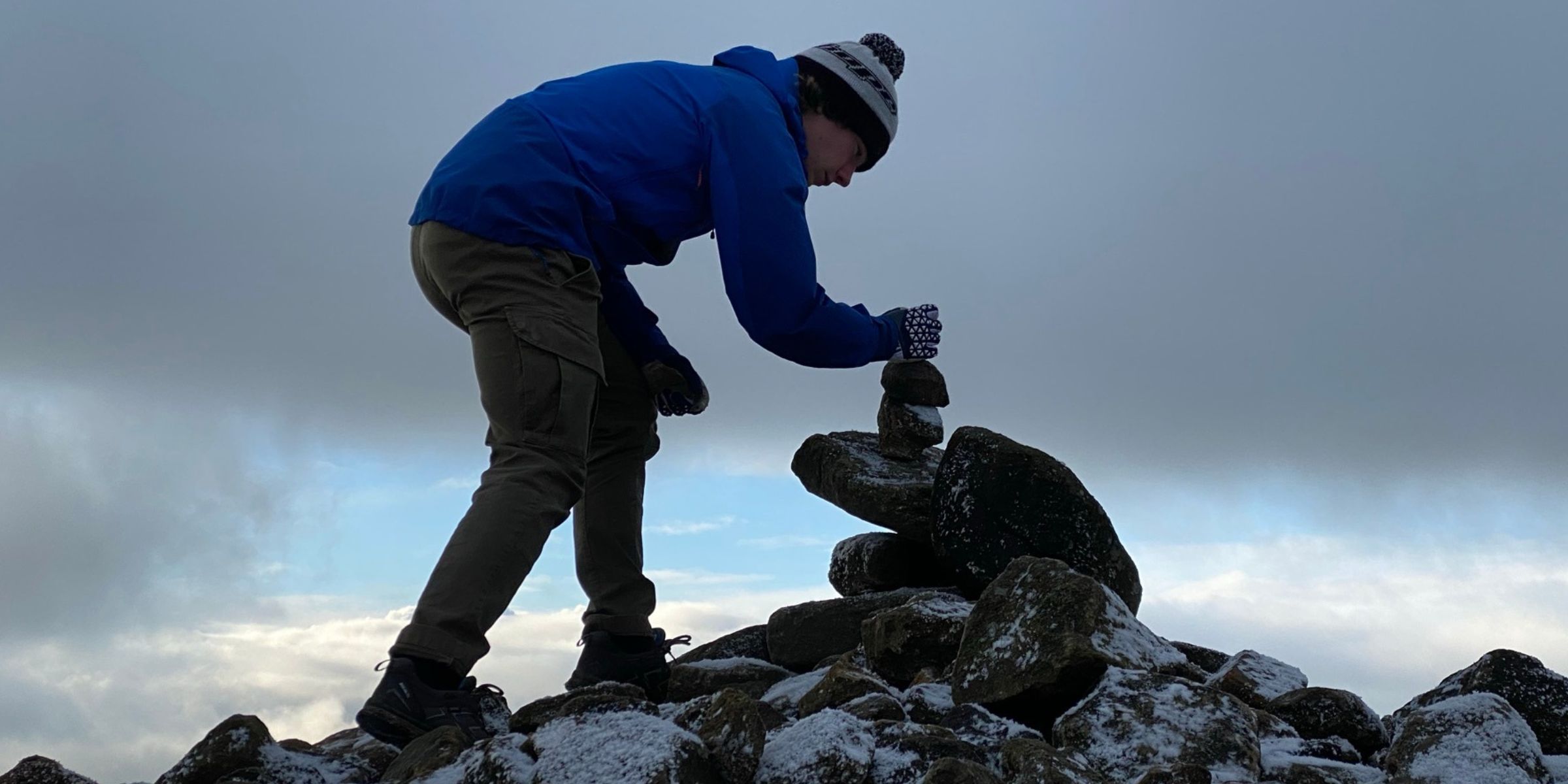
There's a number of easy ways of dismissing young people who say something is wrong. Call them oversensitive. Suggest they lack resilience. Reach for “snowflake” and the conversation will be over before anyone's had a chance to consider what they're saying.
The trouble begins when they're paying attention to a real problem - and doing something useful about it.
New Met Office research offers a modest but telling challenge to the stereotype. Published on 28 October, its findings suggest young adults are particularly responsive to severe-weather information. Among respondents aged 18–24, 75% said forecasts, warnings and advice about hot weather had prompted them to change their behaviour. Some 44% said they now took warnings more seriously, compared with 21% of those aged 55 and over. Yet only 17% of the younger group felt fully prepared for severe weather this winter.
These are self-reported responses, not observed behaviour. The release doesn't publish the sample size, fieldwork dates or full questionnaire. It offers evidence of engagement, with limits - not a verdict on the character of an entire generation.
Nor does following a weather warning establish someone’s climate politics. Preparing for hazardous weather, reducing emissions and protecting wildlife are obviously different activities. A credible account of young people’s environmental work needs evidence for each.
Across the North, that evidence exists. It takes forms considerably more interesting than the caricature: a student-written plan for school food, a wildlife survey opened to families, a conference organised by young people, and the patient work of recording what lives along a coastline.

The weather provides a serious backdrop. In its September comparison with 1976, the Met Office described summer 2026 as the UK’s warmest on record for mean, maximum and minimum temperatures. Its account also emphasised the significance of exceptionally warm nights, when opportunities for buildings and people to cool were reduced. Source: Met Office summer comparison.
Responding to a warning under those conditions is a practical skill. So is recognising the limits of what an individual can do. A tenant can't necessarily improve a building’s ventilation. A pupil doesn't control the school catering contract. A young volunteer can't determine the budget for maintaining a public landscape.
That's where the Northern examples become useful. They show people moving from concern towards a task, a proposal or a route into decisions - and reveal the support that's needed to make that possible.
The Cartmel Commitment is a short document with specific requests. Developed through a 2025 Dream Placement with Cumbria Action for Sustainability, now Futureproof Cumbria, with support from Cumbria Development Education Centre, it addresses schools, local authorities, businesses and community groups.
Its proposals include giving students a role in designing school menus, expanding growing opportunities and cooking skills, reducing food and plastic waste, and using compost to grow food on site. It also calls for adequate school funding to deliver the changes.
This is formal evidence that students developed a programme of requests. At this stage, it doesn't confirm that schools across Cumbria have adopted it, or quantify any emissions saved.
Its value is in the specificity. Someone can answer these requests. A school can explain whether students influence menus; a council can discuss procurement; a funder can examine what implementation would cost. The proposal makes environmental concern something institutions can respond to and be questioned about.

On 30 October 2024, the first Lancashire Youth Climate Conference brought 94 delegates aged 16–19 from 16 sixth forms, colleges and youth groups to Blackpool Sixth Form College.
According to the organisers, two Young Climate Activists in Residence led its organisation and hosting. More than 50 organisations were involved, with workshops covering energy, nature, creativity and a proposed youth-focused climate action app, alongside a green-skills marketplace. Space in which young people can question councils, encounter expertise and find opportunities is demonstrable work.
LancsCAN Youth’s published member profiles also trace connections with that organising: its research coordinator describes helping run three environmental conferences at Blackpool Sixth, while its chair describes involvement in the earlier Fylde event and the Lancashire conference steering group. Source: LancsCAN Youth.
There's continuity here: people learning how to bring others together, then carrying that experience into another organisation.
Yorkshire Dales Millennium Trust’s Young Person’s Guide to a Green Future records an especially clear example of an idea becoming an event.
A young participant secured a £1,000 grant to organise a BioBlitz - a concentrated wildlife-recording exercise. The National Trust agreed to host, local experts helped, and the funding bought survey equipment as well as materials for activities. The guide reports 162 attendees and 468 species recorded. Afterwards, the equipment was available for schools to borrow. Source: YDMT guide
This is a documented earlier project, rather than a newly announced 2026 result. But its practical lesson remains relevant: give someone resources, access and support, and an interest can become something a wider community shares.
YDMT also publishes results from the original Green Futures programme period ending in 2021: 884 youth-delivered projects and £26,500 awarded for young people’s own initiatives. Those historical totals should remain attached to their dates. The trust’s current Youth Environment Forum continues to give members a role in choosing projects and planning its annual summit.
I know that nature recording doesn't in itself demonstrate a reduction in greenhouse gases. What it does demonstrate is observation, organisation and participation: necessary parts of understanding what is there to protect.
Climate Action North’s August 2026 profile of Daniel Harrison offers another example grounded in particular tasks.
The organisation described the then 23-year-old from Seaham as vice chair of its Young Rewilders Networking Group, YOUNG. He'd helped organise the network’s first moth-trapping event. Separately, through volunteering with SeaScapes, he had helped survey dolphins and whales from Souter Lighthouse, conducted rocky-shore surveys and recorded seaweed species. His National Trust volunteering included public bird walks and moth-trapping activities.
“I find moths just as beautiful as butterflies,” he told the organisation. Source: Climate Action North’s Daniel Harrison profile.
Daniel's statement has a quiet precision. Environmental engagement can often start with an attachment to something easily overlooked. The work then involves learning, recording and helping someone else notice it.
YOUNG is supported by National Lottery funding and run through a youth steering committee. Adult mentoring sits alongside young people’s role in shaping projects. That combination is worth recognising: leadership develops through supported opportunities to exercise it. Source: YOUNG programme information.
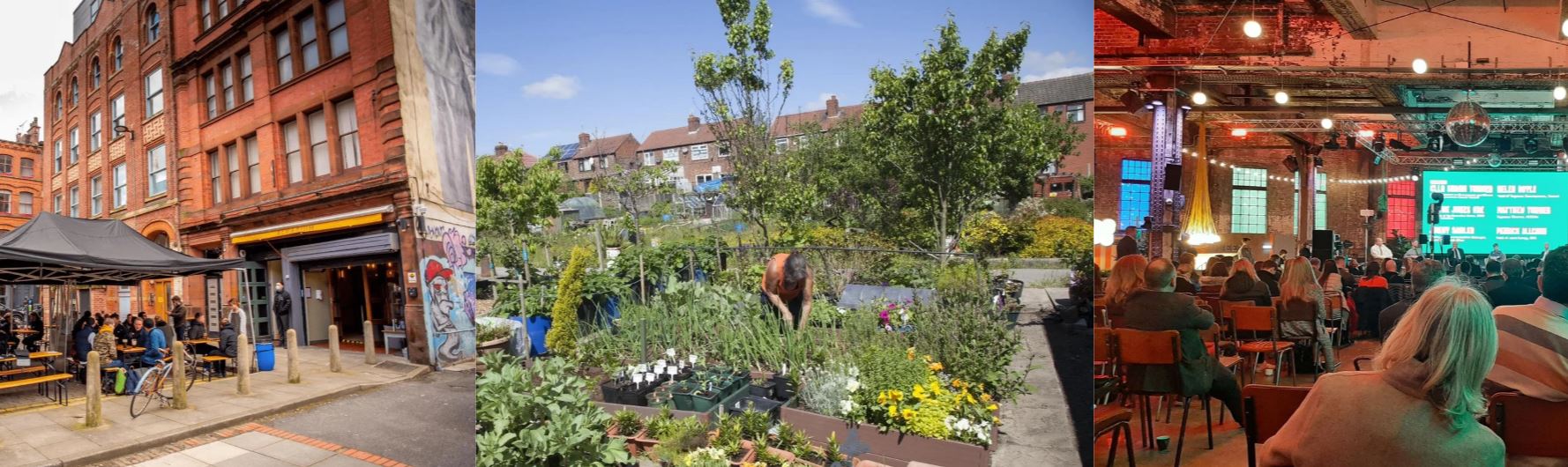
In a project reported in February 2024, members of the Tree of Hope Youth Research Group planted four trees at Longford Park in Trafford with City of Trees. The wider research brought together young people living in Manchester whose experiences included different countries and migratory journeys, working with academics and artists.
The planting was both a physical addition to the park and a gesture of welcome, inspired by the Odaa tree’s significance as a place of gathering among Oromo people. Four trees are four trees; their value doesn't need to be inflated into an unsupported claim about cooling an entire city. They are more than that. Source: City of Trees project report.
Elsewhere, Manchester Climate Ready Youth Partnership gives young people proper representation on the wider partnership board. Its website describes a youth-focused Carbon Literacy course as being developed, alongside listening-circle workshops with City in the Community’s youth network. Those are developing activities, and we need to clap loudlt about what they're doing. Source: Manchester Climate Ready Youth Partnership.
We all know that representation creates an opening. The next test is whether proposals receive a response, decisions change and resources follow.
I know these examples don't prove that young people universally care more than older people. They're not a league table of virtue. But I am trying to show identifiable work, supported by organisations, grants, expertise and access to places. This work now is helping to equip our young people to not only be environmental guardians - but to be future-ready when they need to take over everything else from you and I, because we've lost our marbles. (I might get there before you.)
They also suggest a better response than congratulating a generation and leaving it to cope.
A council inviting young people into a climate discussion should explain which decisions they can influence. A charity seeking volunteers should consider transport, equipment and the cost of taking part. A school receiving a student proposal should provide an answer - and distinguish what it can change from what requires additional funding.
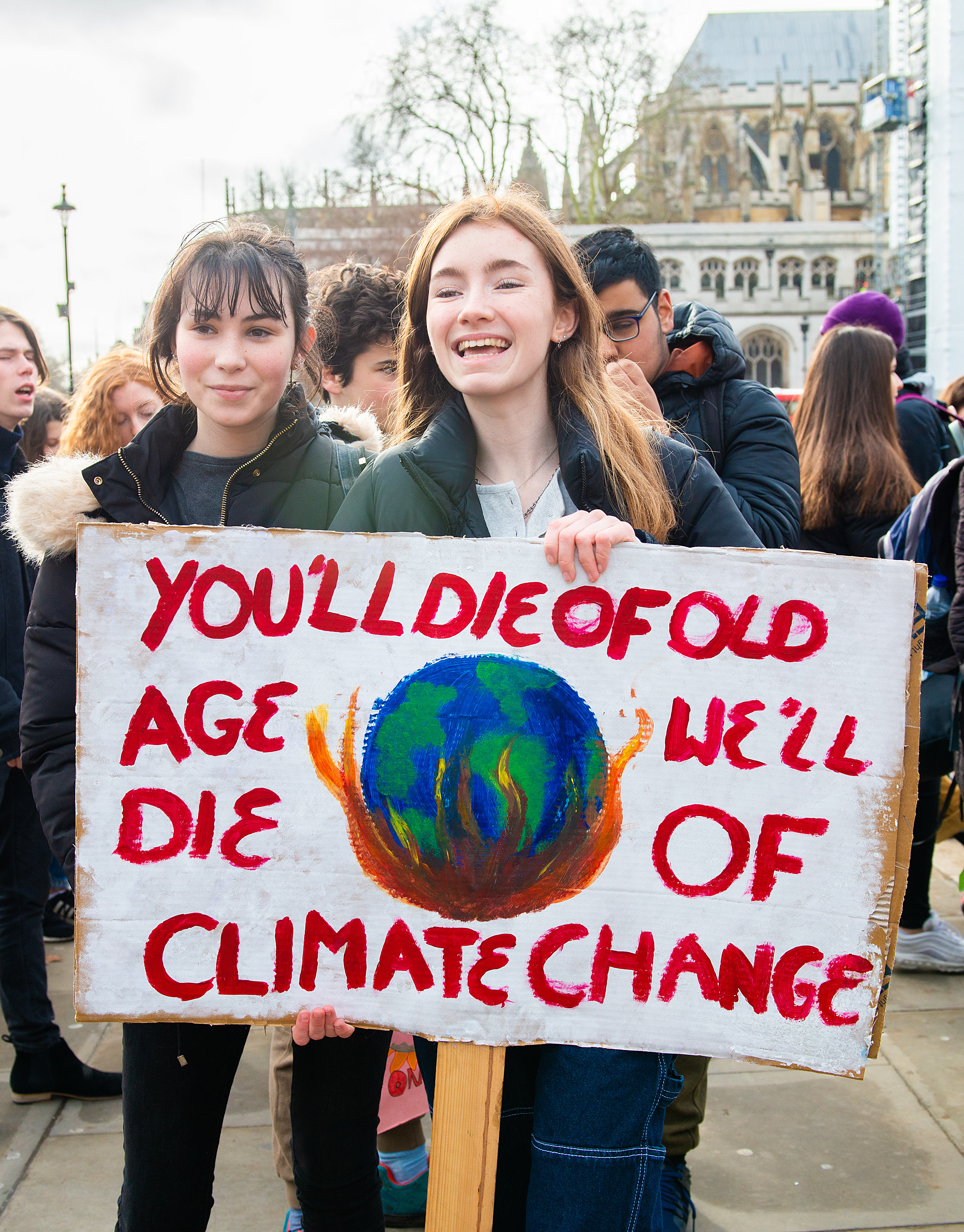
Listening to our young people becomes meaningful when it leads to that kind of exchange. Otherwise, “youth voice” risks becoming an invitation to speak without an obligation on anyone powerful to respond.
The snowflake insult is easy. The work described here is more demanding: organising an event, writing a proposal, learning to identify a species, turning up again.
Young folk are already doing it. They're not all locked in their bedrooms. The adults who control budgets, buildings and public decisions need to show what we're doing alongside them.


