



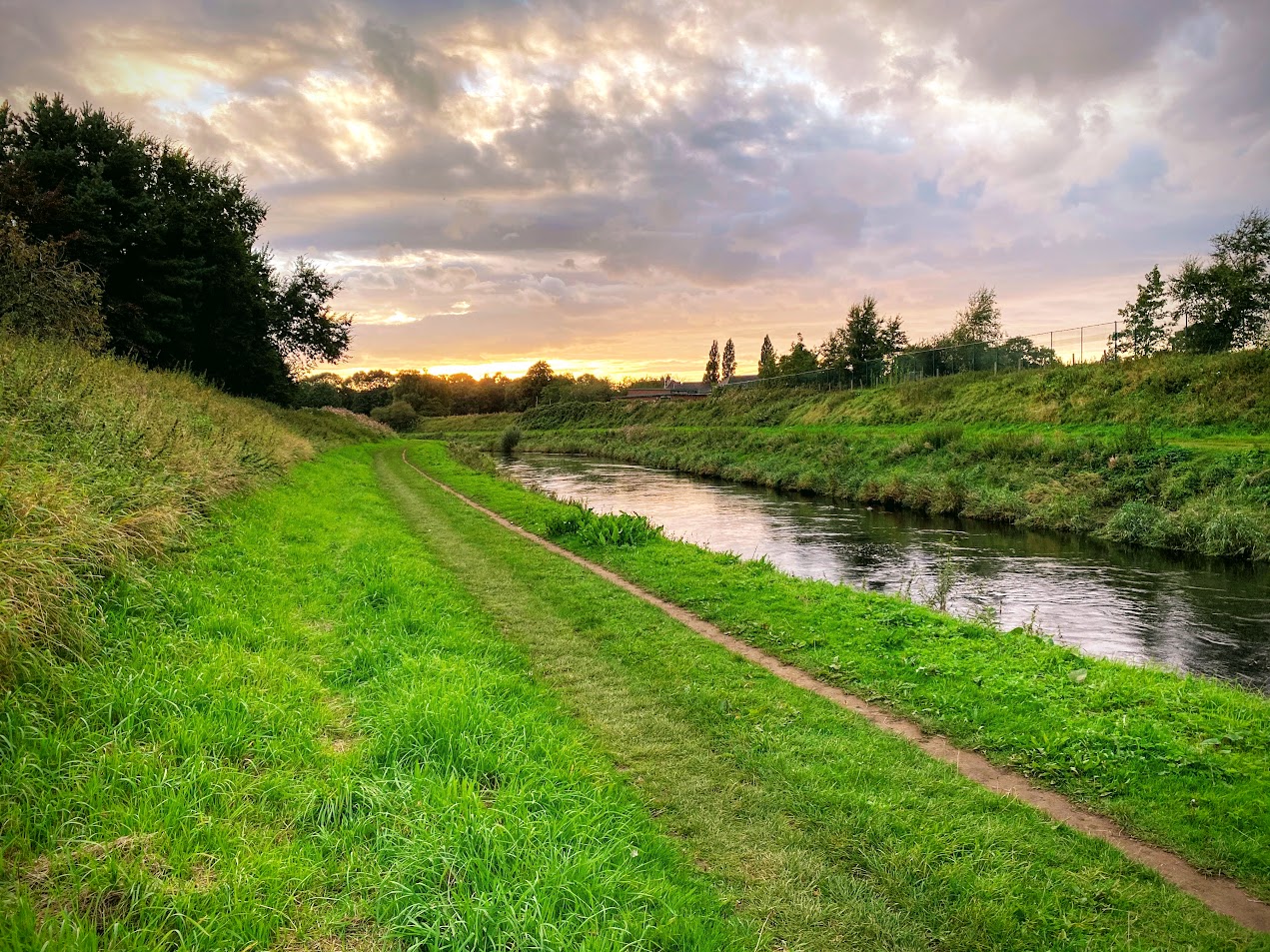
As a former resident of Chorlton’s notorious Merseybank estate, I’ve witnessed its namesake river in many different seasons. I was there in 2021 when it was in danger of bursting its banks and when it became a walking hotspot during COVID.
The one thing that stayed the same regardless of footfall or weather was the wildlife. Despite its proximity to urban areas like Didsbury, Sale and Northenden, the Mersey creates a thin green corridor of undevelopable land where various creatures can thrive.
I’ve seen kingfishers rushing over walkers’ heads, kestrels fighting in the trees, sneaky mink fishing under bridges and parakeets nesting in telegraph poles. Even the local power station serves as a lookout point for birds of prey, while providing a vital foraging place for magpies and crows.
Whichever part you visit, the Mersey is far from undisturbed, especially as the Manchester Ship Canal was joined to it in the late 19th century. It has also suffered hugely from pollution and the industrialisation of the towns and cities surrounding Liverpool, including chemical production in Widnes and Runcorn.
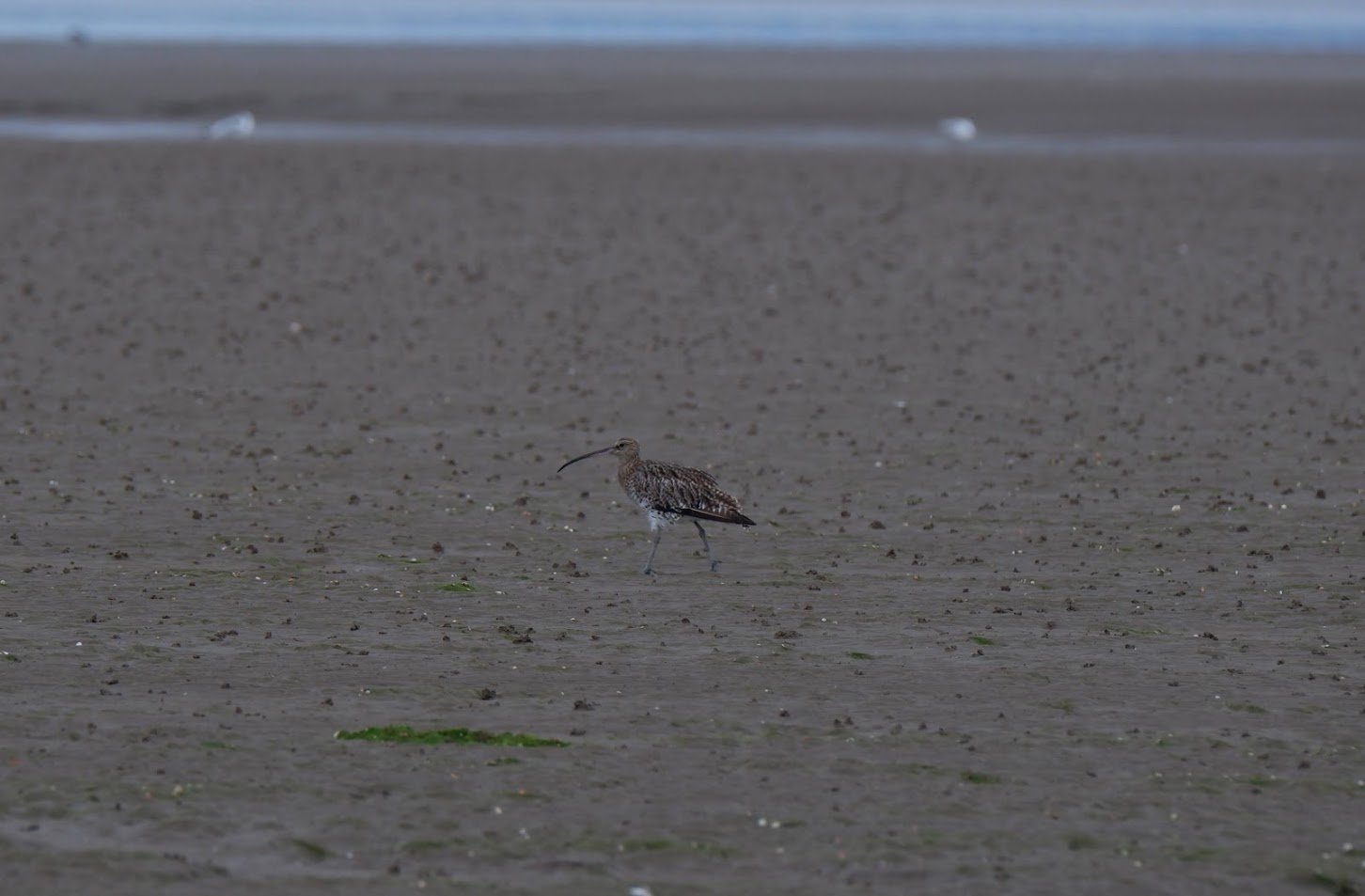
When the chilly coastal weather descends, its estuary can look bleak and lifeless, as the greyish mudflats wait for the tide to return. In reality, it is as full of life as the rest of the river. Residents like seals, curlews and flatfish are so well camouflaged that they traverse the waterway unseen by most passing humans.
This may all be about to change as a proposal to create the world’s largest tidal barrage in the area from Bromborough in Wirral to Otterspool is gathering steam. It’s an ambitious green energy project that could power all the homes in the region for the next century while creating thousands of jobs.
The initiative could also help the city achieve its goal of net zero by 2040. Its biggest champion has been Steve Rotherham, the mayor of the Liverpool City Region. “The River Mersey has been the lifeblood of our fortunes for centuries. I believe it holds the key to our future success too,” he said in a statement on the LCR website.
However, its location across a vital piece of ‘blue belt’ which creates a corridor for wildlife in Greater Manchester, Merseyside and Cheshire has drawn criticism from nature advocates.
In an open letter to Rotherham, the Wildlife Trusts said that “a shift towards renewable energy is essential to tackling the climate crisis, but this must not be achieved by further degradation of the natural world.”
Their argument is that the barrage will alter the natural flow of the tides, as the temporary dam will periodically release water in order to generate electricity. It could also change water salinity and the positioning of the mudflats, an ecosystem relied on by birds, fish, mammals, and minibeasts that feed according to these rhythms, chemistry, and geology.
Three areas of the Mersey estuary have been deemed as ‘wetlands of importance’ for wildlife. These are the Mersey Narrows and North Wirral Foreshore, the Mersey Estuary and the Ribble and Alt Estuaries, encompassing regions from the west of Runcorn, up to Formby and down to Hoylake.
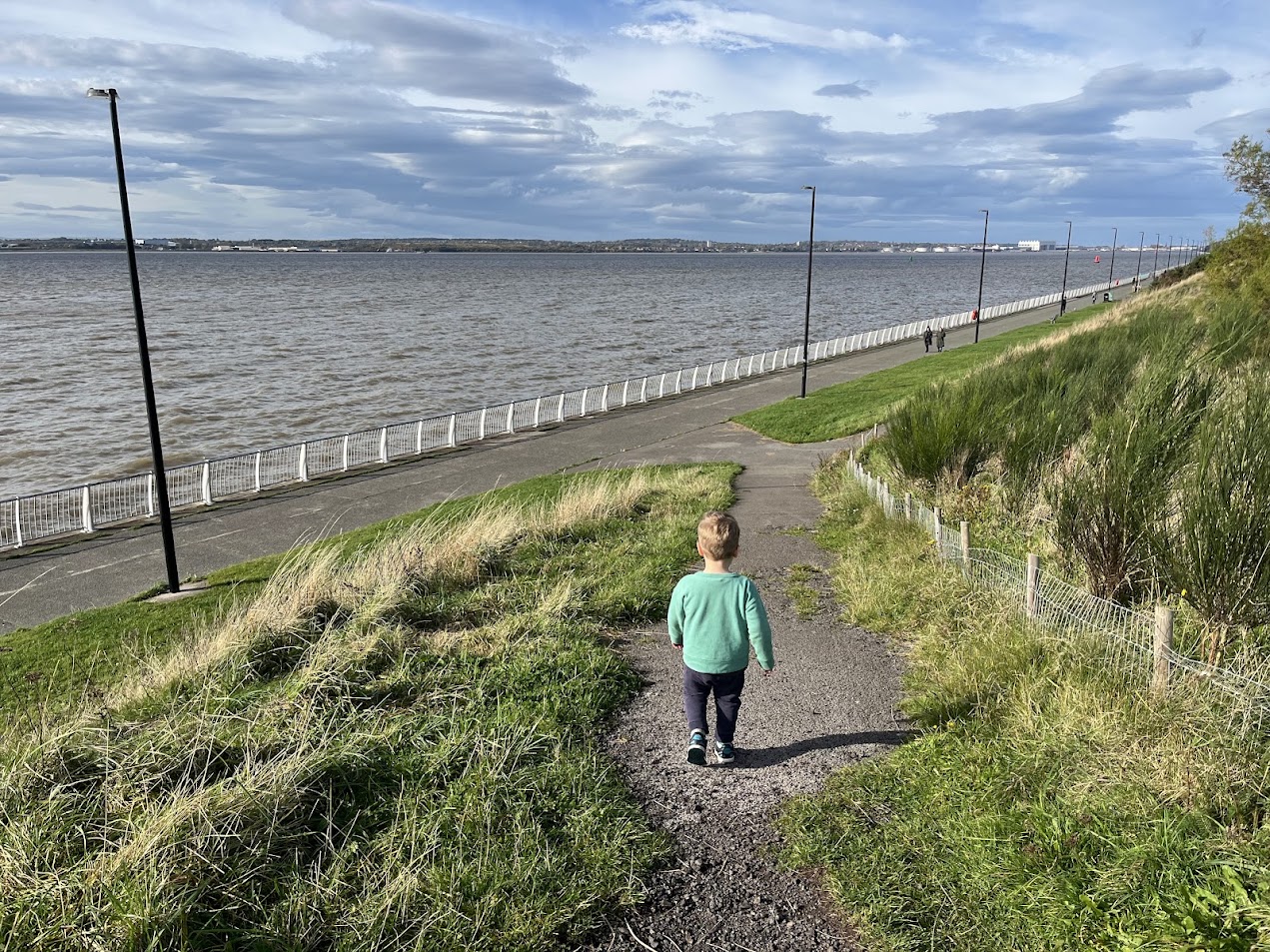
They have been designated under the Ramsar Convention on Wetlands, which aims to protect these habitats for “global biological diversity and for sustaining human life.”
According to the Mersey Gateway Environmental Trust, the river attracts at least 60 species of fish, including stickleback, jellyfish, shrimp, seabass and wrasse.
In terms of birdlife, the Wildlife Trusts have named the river’s species of national and European importance as shelduck, black-tailed godwit, redshank, teal, dunlin, ringed plover, pink-footed goose, curlew, greenshank, wigeon and pintail. Mammals like dolphins, harbour porpoises and otters also use the estuary to fish.
Two other tidal energy options were explored and consulted on, namely two tidal lagoons at Wirral North Foreshore and Liverpool Bay; however, the Mersey Tidal Barrage was found to be the most viable.
While it’s a new concept in the UK, it exists elsewhere in Europe, as the world’s first tidal barrage was created on the River Rance in France back in the 1960s. Since its construction, its biodiversity impacts have been studied, with the biggest issue being the sediment building up in the watercourse from silt that has been dredged up.
While some of the wildlife has returned, other species, like sandeels and plaice, have been driven away entirely. Salinity alterations and organic matter building up in the basin are two of the other changes to the ecosystem that affect the creatures living there, or force them to leave.
However, ten years after construction, the river was considered to be biodiverse again, with the same number of bird species feeding there as before. This could mean avian adaptation is faster and more straightforward than marine fauna.
South Korea also has a similar project, located at Sihwa Lake in Ansan City, built in 2011 and currently the world’s largest tidal power station. A recent study by Imperial College London assessed the ecological impacts of these barrages as well as other tidal projects in North America, Asia and Europe.
They found that more modern construction meant that these projects were less disruptive than they have been previously, but the required building work still drives wildlife away in the short term. In the longer term, sediment distribution, species range and tidal patterns were changed, but positive impacts included improved water quality, new habitat creation and environmental restoration.
Officially, the Mersey Tidal Power scheme is at the ‘pre-application stage’ as consultations are ongoing, with a new proposal expected in 2028. However, the appetite for tidal power is growing in the UK, as the North Wales Clean EnergyFund has pledged £2 million towards tidal turbine installation off the coast of Ynys Môn. Their aim is to establish Wales as a centre for tidal energy and manufacturing to support the local economy.
As projects like these continue, the balance between energy security, net zero and nature preservation will be a difficult one to strike, especially as Britain’s island geography means that rivers and seas are the natural assets needed to make them happen.
During the industrial era of our recent past, the Mersey’s wildlife was never considered when it was driven out by pollution. Only time will tell if it is considered this time around.





