



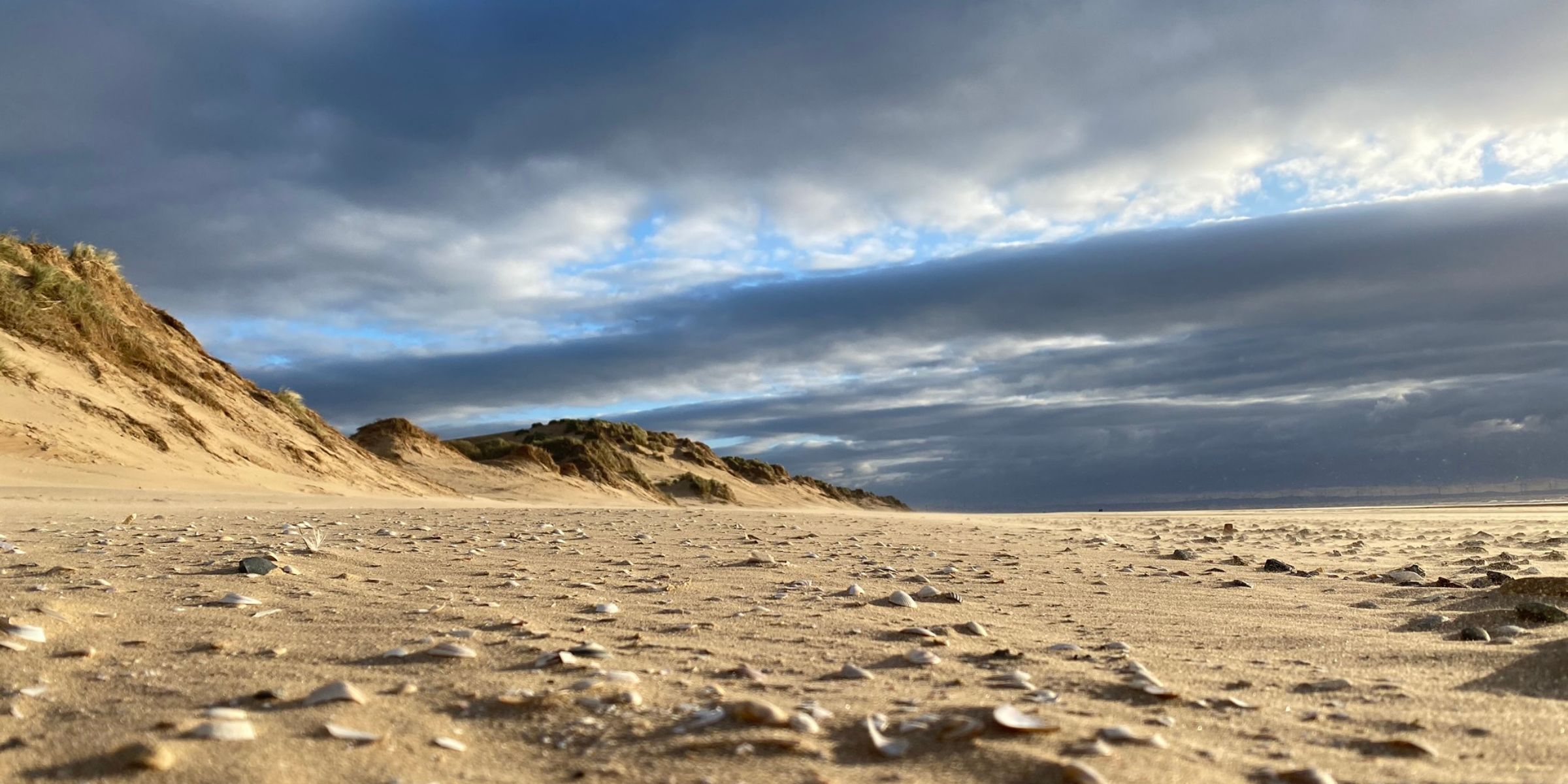
On our beautiful northern beaches, from Formby to Beadnell, it's practically impossible not to look down.
The vast sky and restless North and Irish Seas might provide the drama, but beneath your boots lies the machinery that makes the place: sand, shingle, cobbles, fragments of shell and material carried south along the coast.
Every piece is in transit. Our coastlines are not simply land beside the sea; they represent land being continually assembled, moved and dismantled by it.
And then, among all that motion, you spot one: a pebble smoothed into an improbable perfection, or a shell still carrying the pale pinks and purples of the animal that made it. You pick it up. Turn it over. Slip it into a pocket.
What harm could one possibly do?
A recent article from the British Geological Survey offers a more measured answer than some of the annual “tourists face huge fines for taking shells” headlines. It's not necessarily illegal to take a pebble from a British beach. But neither is the beach an unlimited supply of free souvenirs.
The law depends on where you are, what you take and what protections apply to that particular stretch of shoreline. The environmental question is broader still.
The legislation most commonly invoked is the Coast Protection Act 1949.
Contrary to regularly repeated claims, the Act doesn't create a blanket ban on removing a pebble from every beach in Britain. Section 18 allows a coastal protection authority to make an order prohibiting the excavation or removal of materials from a specified stretch of seashore.
That order has to go through a formal confirmation process. Where one is in force, removing material without the appropriate permission or licence can be an offence.
In other words, geography matters.
There may be signs telling visitors not to remove sand, stones or other beach material. There may also be restrictions imposed by the landowner, local byelaws or protections connected to the beach’s environmental designation.
A Site of Special Scientific Interest, National Nature Reserve or Marine Protected Area should never be treated as an ordinary collecting ground. Activities that appear trivial can damage the very geological formations, habitats or wildlife for which the place has been protected.
The BGS advice is refreshingly practical: research the beach before visiting, read the signs when you arrive and, if there's any uncertainty, leave what you find where it is.
Its Industrial Minerals Geologist Clive Mitchell takes a consciously restrained approach, limiting himself to six small pebbles on a visit. But even this is a personal rule, not a universal legal allowance. “Six pebbles” shouldn't be mistaken for a statutory entitlement.
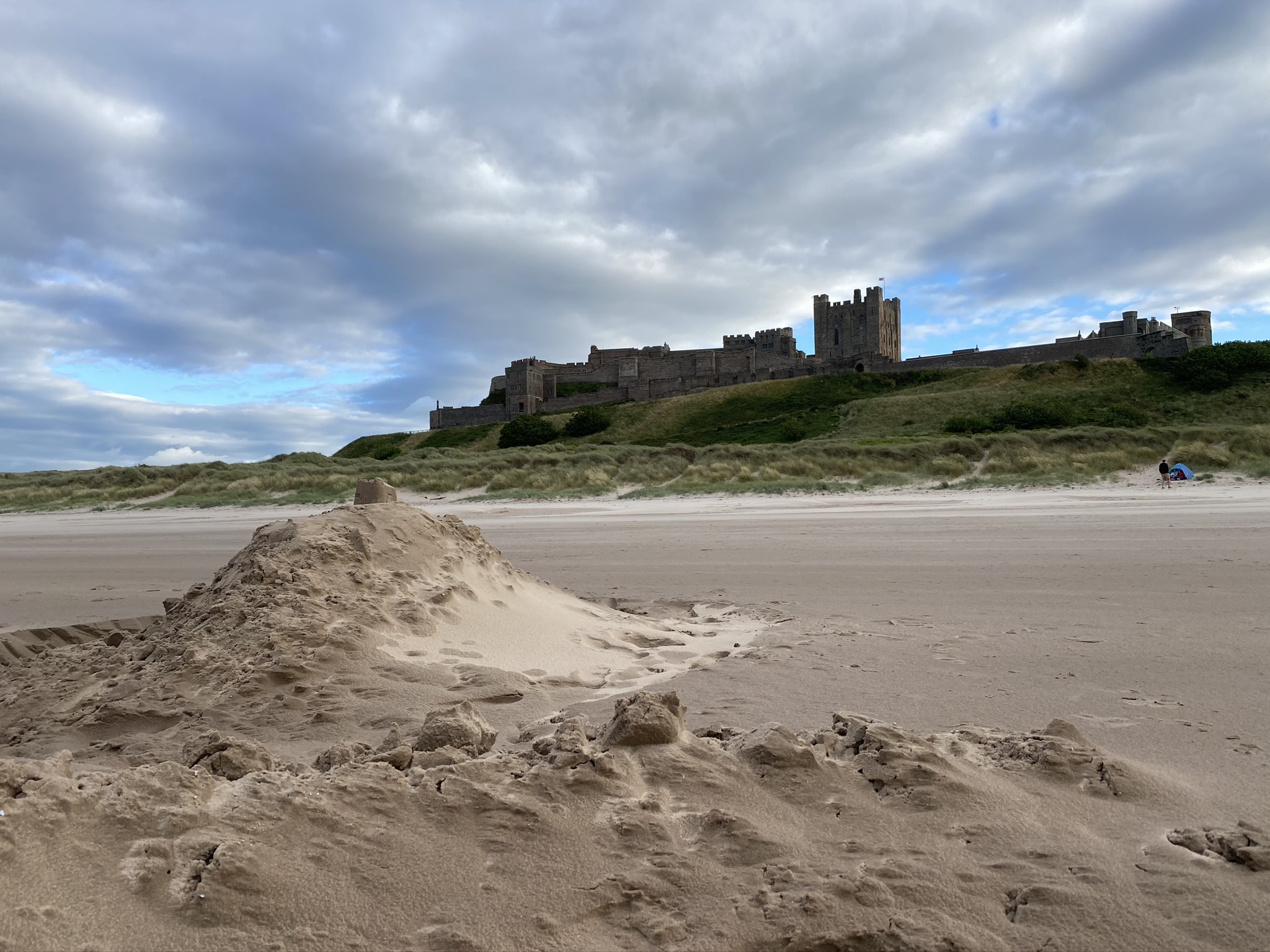
The legal position on shells isn't covered by a single, convenient rule.
An empty shell lying on an unrestricted beach is not automatically illegal to pick up. However, the wording of a Section 18 order can cover the removal of “materials” from the seashore, rather than pebbles alone. Local restrictions might therefore encompass shells, sand, fossils and other natural material.
Protected-site rules and landowner conditions may impose additional limits. Taking a shell that still contains a living animal is another matter altogether: shellfish collection can be controlled through fisheries legislation, local byelaws, minimum landing sizes, closed seasons and species protections.
The sensible conclusion is less dramatic than the tabloid version, but more demanding. There's no national shell police waiting behind every windbreak. There's also no general right to take whatever the tide has exposed.
And legality is only half the question.
A shell on the strandline might look abandoned. Ecologically, it may be anything but redundant.
Shells provide homes and protection for other creatures. They offer hard surfaces upon which algae and smaller organisms can establish themselves. They can become incorporated into bird nests, break down into smaller particles and return calcium carbonate to coastal systems.
A peer-reviewed study published in PLOS ONE compared shell abundance on a Mediterranean beach during two periods, 30 years apart. Tourist arrivals had increased by a factor of 2.74; shell numbers along the shoreline had fallen by a factor of 2.62.
The researchers found a significant negative relationship between visitor numbers and shell abundance, which became stronger during the busiest tourist months. Changes in wave energy did not explain the decline.
It was one beach in Catalonia, not the entire British coastline, and correlation alone can't establish that every missing shell was carried away in a holidaymaker’s pocket. The authors were appropriately cautious. But the scale and duration of the research make its warning difficult to dismiss.
They identified possible consequences including changes to calcium-carbonate recycling, reduced material for beach stabilisation and the loss of shelter or surfaces used by other organisms.
The important word is not one. It is millions.
One kid carrying home one cockle shell will not dismantle our coast. But environmental pressure is rarely applied by one kid on one afternoon. It arrives cumulatively: pockets, buckets and carrier bags; ornamental jars filled over years; beautifully arranged “beach finds” photographed for social media and quietly normalised.
There are few better places to understand this than Spurn.
A scientific study of its evolution describes the peninsula as a 5.5-kilometre barrier of sand, gravel and cobbles extending from Kilnsea across the mouth of the Humber. The material isn't decorative residue. It is the structure.
Natural England calls Spurn an outstanding and possibly unique example of a dynamic coastal system. Its geomorphological assessment considers how the spit might move in response to continuing erosion along the Holderness coast and to future wash-over events.
During the 2013 tidal surge, around a kilometre of road and dune was lost. In the years that followed, sand returned, dunes began to rebuild and vegetation helped stabilise the new formations. Yorkshire Wildlife Trust has recorded parts of the peninsula shifting more than 50 metres towards the estuary.
This isn't a fixed landscape occasionally disturbed by bad weather. Change is its natural condition.
The processes are larger than anything a family with a bucket and spade could produce. Yet Spurn teaches us something valuable about every beach from Northumberland to Morecambe Bay: what looks like a collection of separate objects is actually a system.
Pebbles absorb and dissipate wave energy. Sand, shell fragments and shingle are moved by tides and currents. Strandlines hold food and shelter. Dunes trap sediment and provide habitat. Remove one component and little may appear to happen; remove enough, repeatedly, and the balance changes.
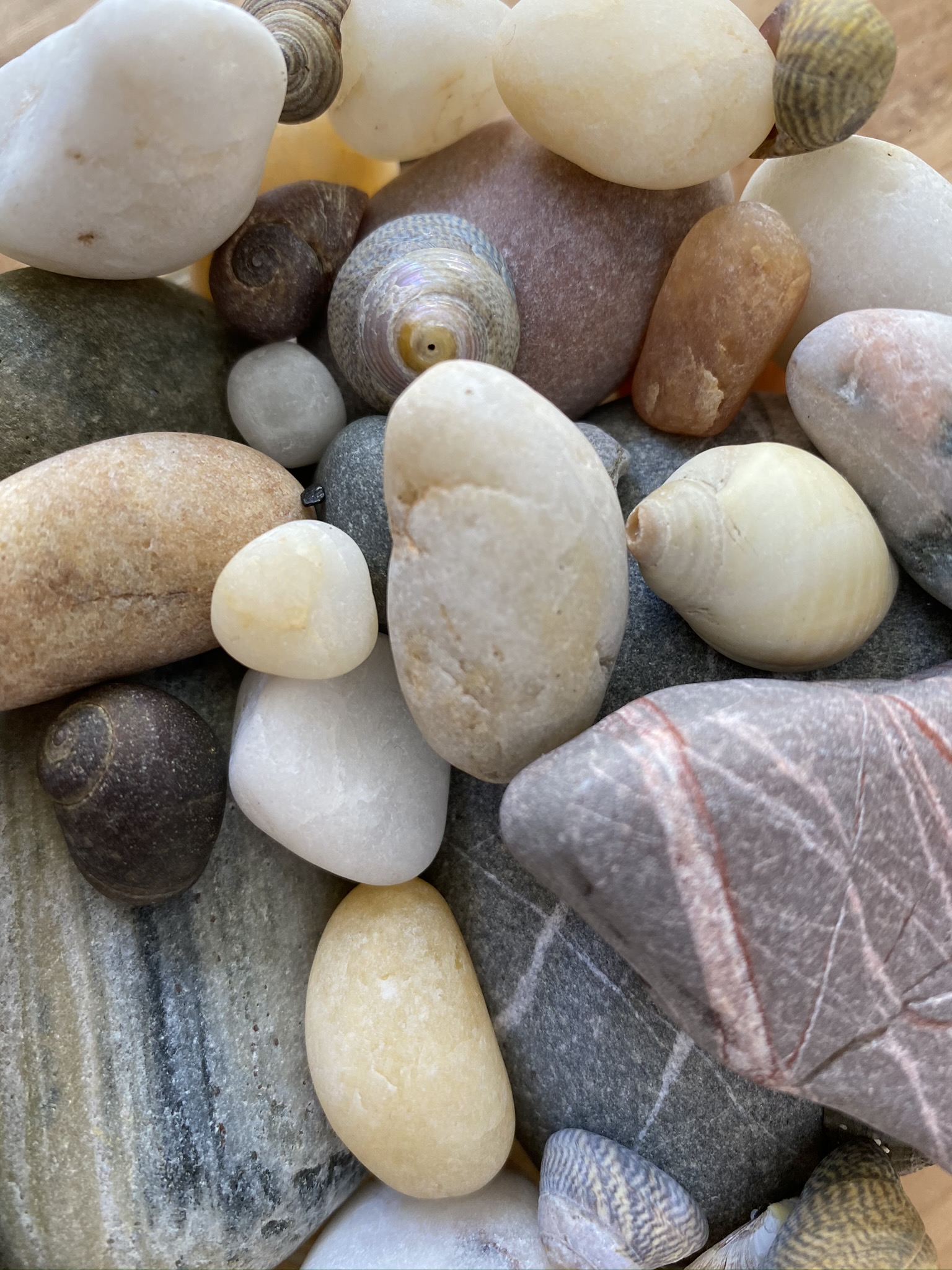
None of this requires us to stop beachcombing.
Looking closely is one of the greatest pleasures of being at the coast. A pebble can lead us into hundreds of millions of years of geological history. A shell records the growth of a living animal, layer by patient layer. Finding them can connect children - and adults - to the natural world more effectively than any warning sign.
Perhaps the answer is to do the act of discovery without automatically doing the act of ownership.
Pick up the pebble. Feel its weight. Try to identify the rock and imagine the distance it has travelled. Photograph the shell. Notice its ridges, damage and colour. Show it to somebody else.
Then perhaps put it back?
Take the picture, the new knowledge and the story home. Leave the physical evidence on the beach, where it can become another person’s discovery - or continue doing one of the countless small jobs on which a living coast depends.
If you're on one of our spectacular northern beaches this summer, it shouldn't be overly difficult to realise that the land never stands still long enough to belong to us anyway.
Header image: Formby. (MagNorth)





