



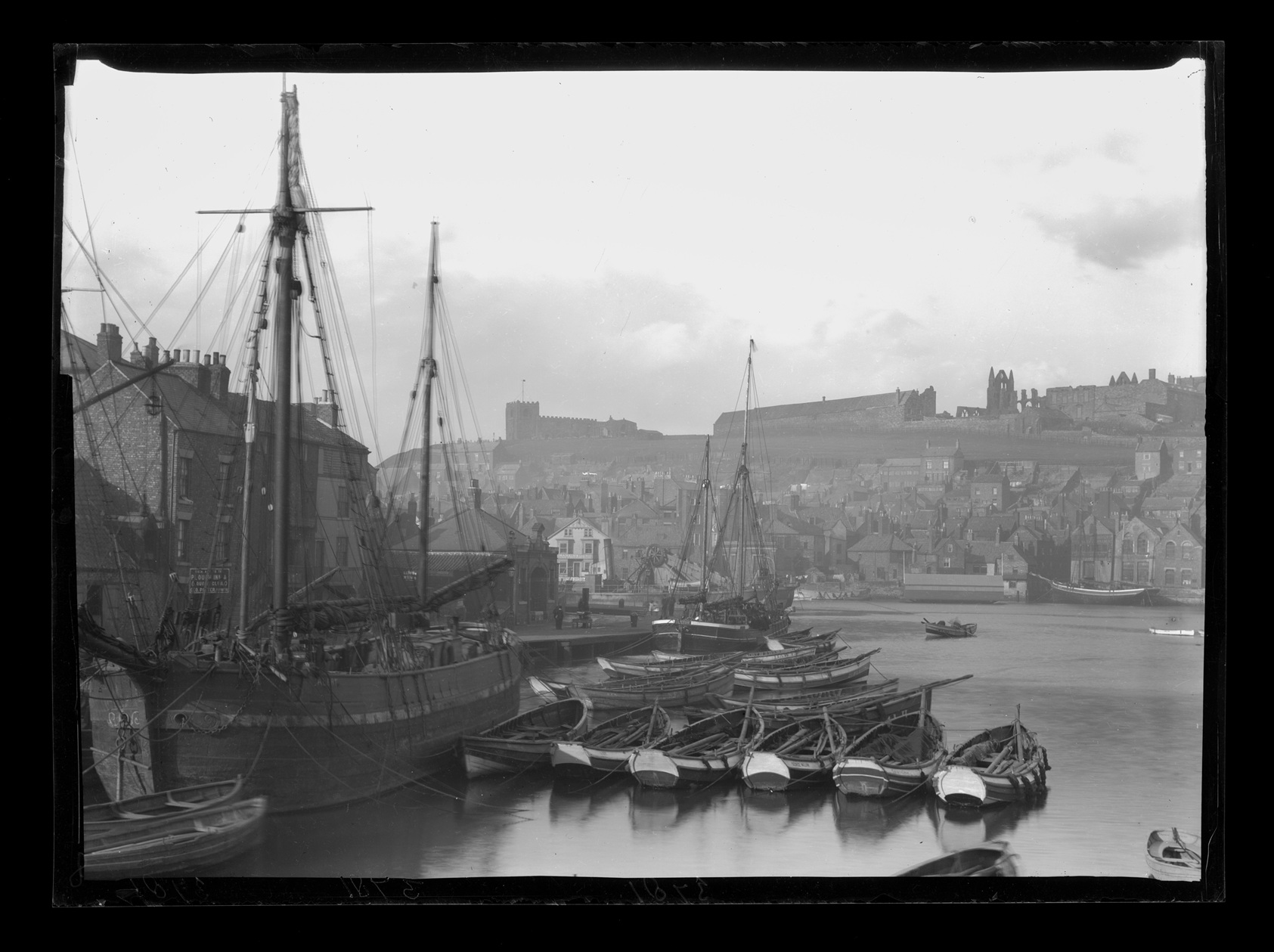
Before the vampire became a familiar figure on screen, the returning dead were already troubling Yorkshire. Stories associated with Byland Abbey described unsettling encounters with revenants. At Wharram Percy, archaeological evidence has been interpreted as an attempt to prevent the dead from rising. Fear had a geography, and some of it was quite close to home.
Those connections give a new exhibition at the University of Leeds a particularly rich northern starting point. Quite Shameless: Cultural Reflections on the Vampire opens at Treasures of the Brotherton on 27 October, drawing on literary, medieval, medical and theatrical collections to follow a creature whose appearance changes while its hold on the imagination persists.
The exhibition’s proposition is that a vampire can tell us something about the people who summon it. Across different periods, it becomes a means of approaching disease, desire, death and social disturbance. Looking closely at the monster can reveal the assumptions of those doing the looking.
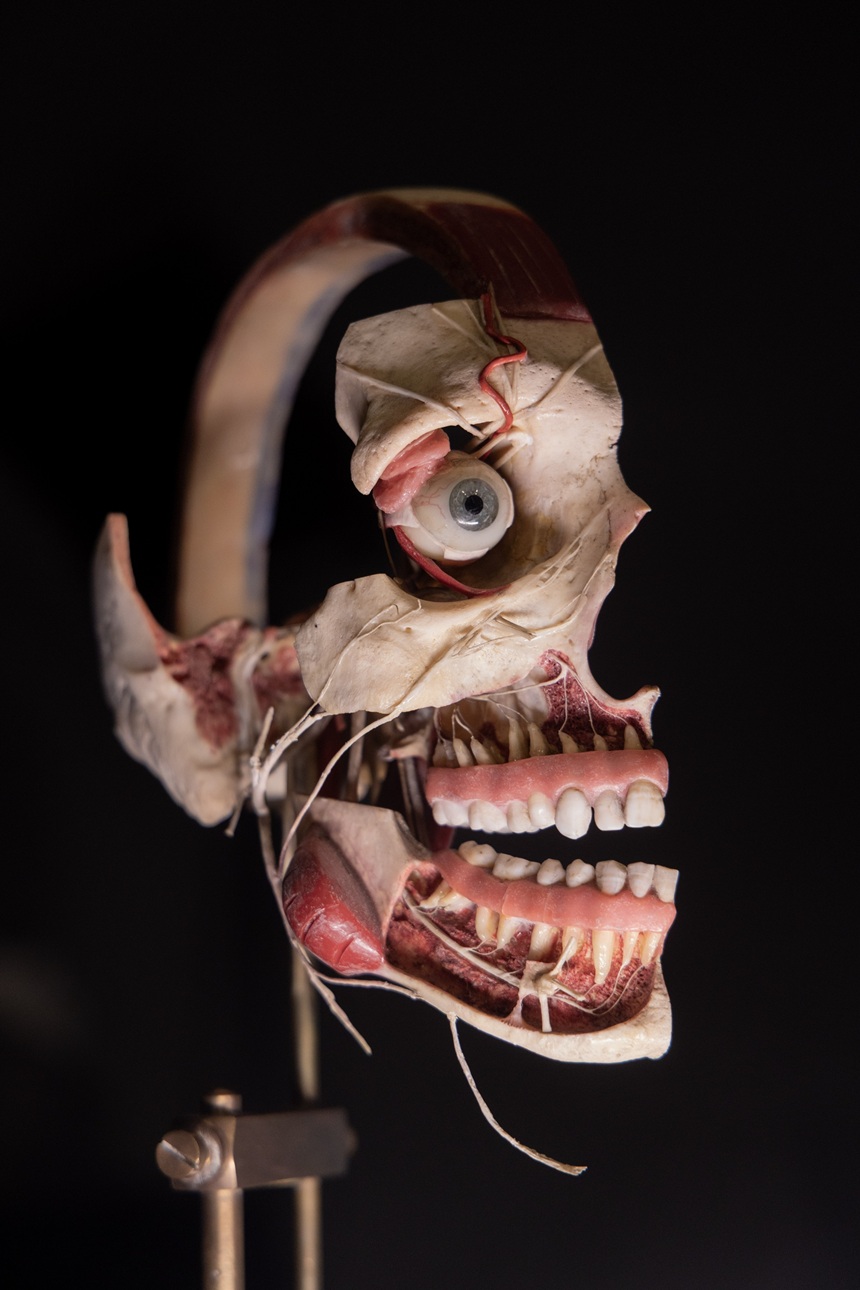
Wax model of sagittal section of head_Credit University of Leeds School of Dentistry Dental Museum
The local connections extend well beyond Dracula’s association with Whitby. Medieval accounts associated with Byland Abbey and William of Newburgh bring visitors into a world in which stories of returning corpses circulated as testimony. They're evidence of beliefs and storytelling traditions, rather than evidence that the dead walked.
That distinction is important in an exhibition moving between folklore, literature and the material traces of human behaviour. Similar anxieties can appear in different forms without making every medieval revenant the same creature as a later literary vampire.
The exhibition offers the chance to examine those relationships through objects: manuscripts, images, books and records that allow the familiar outline of the vampire to become stranger again.
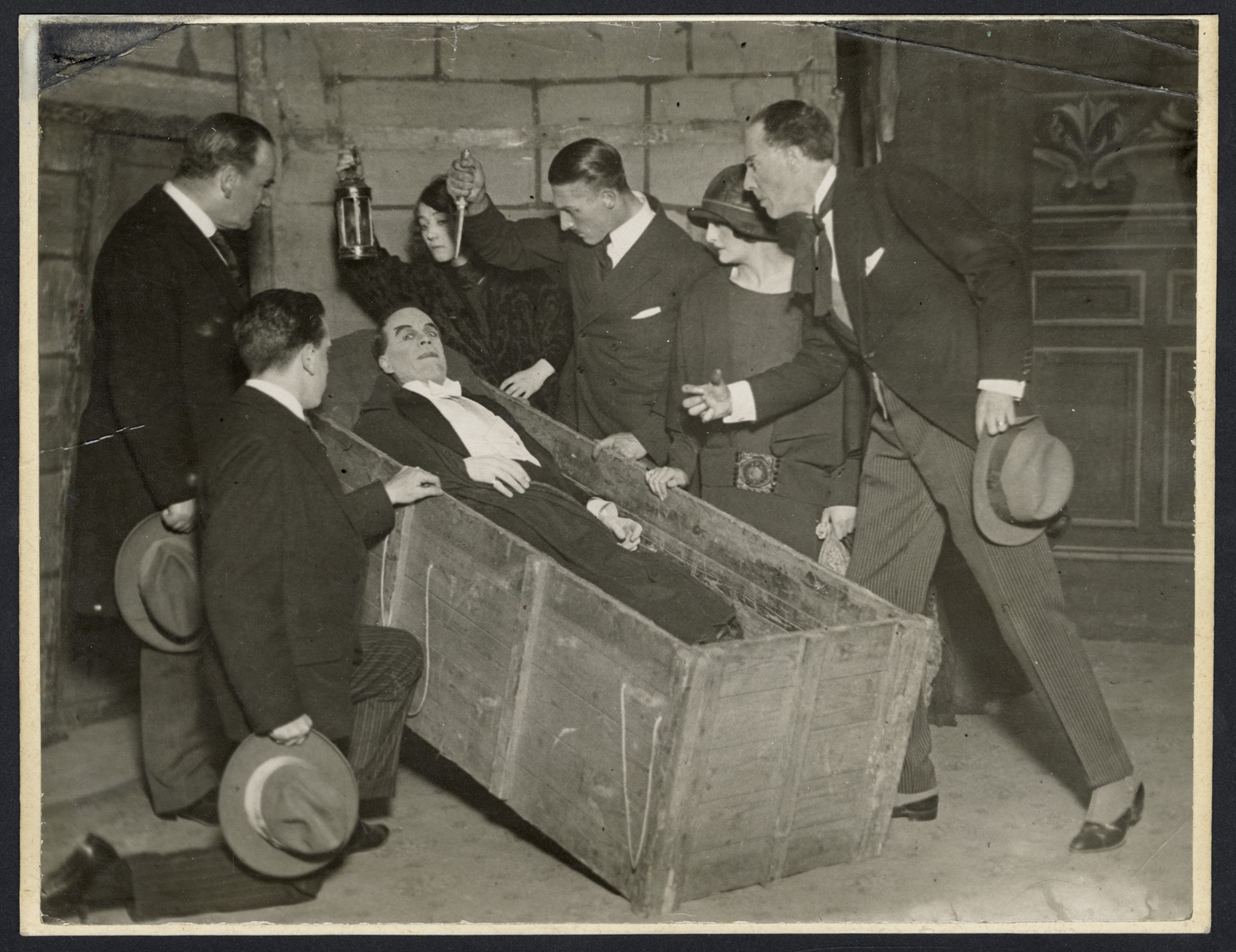
Yorkshire also provides a route into its performance history. Playbills, photographs and scrapbooks document Hamilton Deane’s theatrical Dracula, which reached Leeds Grand Theatre in 1927. Costume and set designs from Northern Ballet’s archive trace the company’s 1996 production.
For our northern audiences, these are connections to institutions that have helped remake the story. A figure encountered on the page acquires a voice, a physical presence, a costume or a movement vocabulary. The archive preserves some of the decisions through which that transformation happens.
Stoker’s Dracula occupies an important place in the exhibition, but the materials around it complicate the image of a monster belonging only to the distant past.
Telegrams, railway timetables and wax phonograph cylinders draw attention to the modern technologies woven into the novel. Books about mesmerism and Victorian pocket watches introduce another fascination: the possibility of one mind exercising power over another.
These juxtapositions suggest a productive tension. An apparently ancient threat enters a world busy recording, communicating and organising information. Modernity provides the tools with which people try to understand and confront it, while generating uncertainties of its own.
The exhibition takes its title from a letter written by Stoker after Dracula’s publication: “Lord forgive me, I am now quite shameless!”
His correspondence also offers researchers a route into the social world surrounding the novel. According to the University, students and volunteers have identified at least seventeen letters to Stoker from friends who had read the book. Responses include congratulations from W. E. Gladstone and a reading of the novel as an allegory of sin by the wife of the Bishop of Ripon.
Such responses place a now-familiar work back among its first readers, before its imagery accumulated generations of adaptations. They also invite a question worth taking into the gallery: what did those readers recognise that we might overlook?
'Killing the Vampire'_Daily Sketch photograph reproduced by permission of the Dracula Society, courtesy of The City of Westminster Archives Centre
Among the exhibition’s literary holdings is the original manuscript of Byron’s unfinished Fragment of a Novel, associated with the celebrated ghost-story gathering at the Villa Diodati in 1816. Polidori’s The Vampyre and Sheridan Le Fanu’s Carmilla offer further ways of following the vampire through secrecy, attraction and transgression.
The significance of these works extends beyond a succession of influential monsters. They give form to desires and relationships that disturb the social order around them. The exhibition places that material alongside later histories of illness and moral judgement.
Victorian illustrations of cholera epidemics and London’s Great Stink introduce fears about contaminated bodies and environments. Materials from Feminist Archive North address activism against the stigma and moral panic surrounding AIDS in the 1980s.
The connection calls for care. An illness is a medical reality; the meanings attached to it can also become instruments of exclusion. Following the vampire through those histories invites visitors to consider how fear moves between a condition and the people associated with it - and what happens when a society turns anxiety into blame.
John Bingley Garland’s Victorian “Blood” découpage adds another visual language. Painted drops of blood, handwriting, religious ornament and fragments of prints assemble an elaborate meditation on sacrifice, redemption and purification. Blood can signify danger, but also devotion and the promise of salvation. Its meaning changes with the image and the viewer.
The University describes Quite Shameless as a collaboration bringing material from fourteen subject collections together with expertise ranging from folklore and classics to film, local history and goth culture.
That breadth is part of the attraction. A literary manuscript and a medical object can make different kinds of knowledge visible; a theatrical design can show how an idea becomes something an audience encounters together. Bringing them into conversation gives visitors several ways into a subject they may think they already know.
For Leeds, the exhibition also makes a public invitation through collections of international significance. Admission is free. Enthusiasts can pursue the detail; newcomers can begin with an object that catches their eye.
Halloween supplies an apt opening week, but the questions extend beyond the season. What do we find frightening? What do we find irresistible? And when we describe something - or someone - as monstrous, what are we revealing about ourselves?
Quite Shameless: Cultural Reflections on the Vampire runs at Treasures of the Brotherton, Parkinson Building, University of Leeds, from 27 October 2026 to 29 May 2027.
The gallery is open Tuesday–Saturday, 10am–5pm. Admission is free, with no booking required.
Check the gallery website for holiday closures and updates HERE
Header image: Godfrey Bingley, Whitby, Across Harbour, 1896. Credit Godfrey Bingley Photographic Archive, University of Leeds Cultural Collections MS 1788183781


