



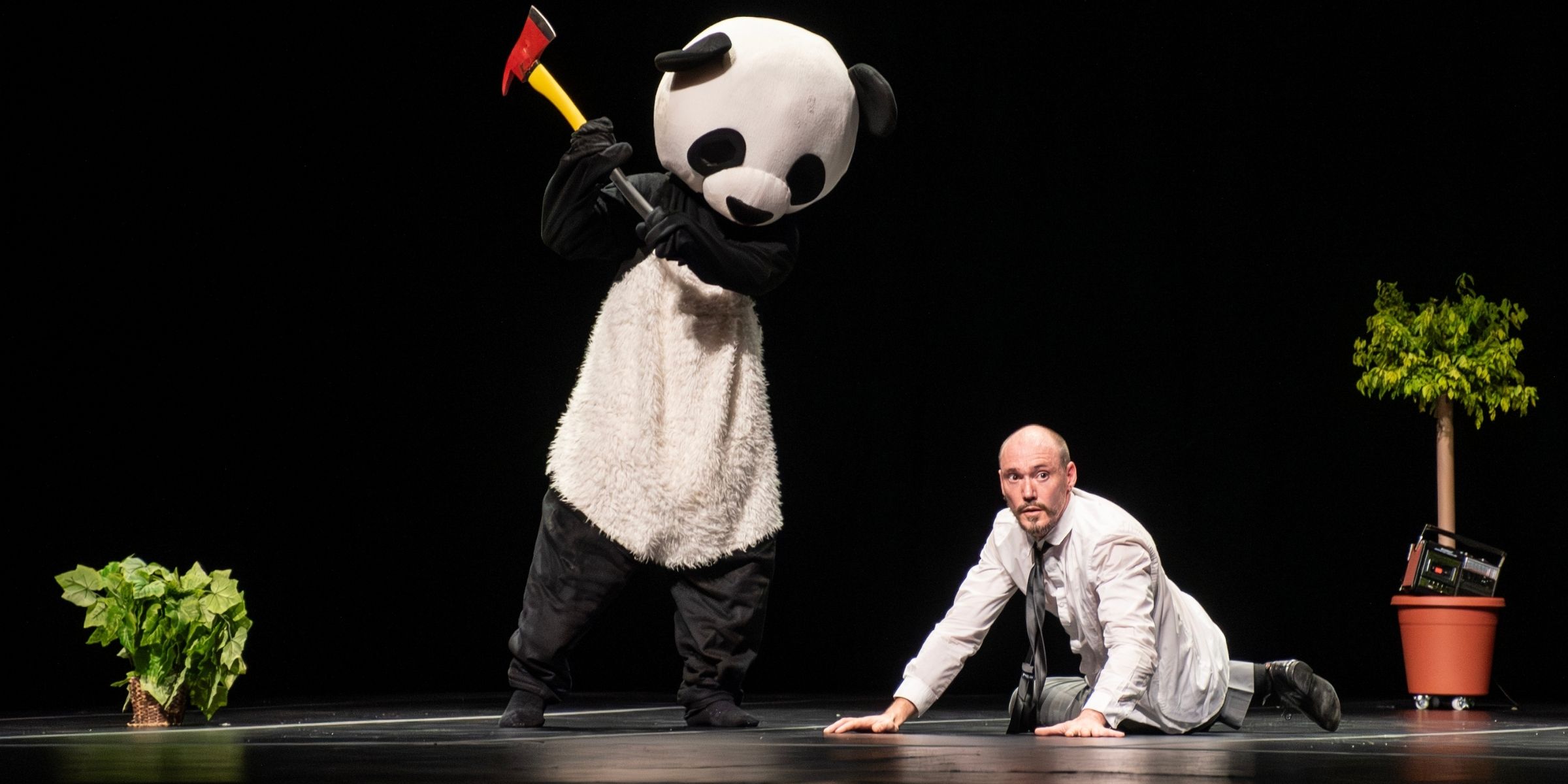
Do stories begin with a script? Or with a body?
A hand held in the air. A sudden fall. The peculiar sorrow of a clown. A performer moving through darkness - or seeming to wrestle with something the audience can't yet see.
Next week, some of the world’s most distinctive physical performers will land in Liverpool for a festival built around everything theatre can communicate before - or beyond - words.
Physical Fest, Liverpool’s International Festival of Contemporary Physical Theatre, is back from Monday 7 to Saturday 12 September, occupying our fave Unity Theatre and the uber cool Arts Bar Studios for a week of performance, circus, clowning, workshops, conversations and creative experimentation.
Produced by the Merseyside-based, female-led Tmesis Theatre, this biennial festival has been running since 2005. It's one of only two festivals in the UK devoted specifically to physical theatre - an artform that can encompass movement, mime, dance, clowning, visual theatre and circus, often slipping mischievously between them all.
It feels international, but its roots are firmly northern.
Physical Fest exists not only to bring exceptional work from around the world to Liverpool, often for its first northern performances, but to support artists here: creating opportunities, encouraging experimentation and helping new work find both confidence and an audience.
At a time when international touring has become more expensive and increasingly precarious, that bridge between Liverpool and the wider world couldn't be more important.
This year’s programme brings artists from Belgium, Italy and Japan together with performers from Liverpool and across the UK. It's work is intended to surprise, unsettle and delight - although not necessarily in that order.
The performance programme is set to open on Tuesday evening with Ungirlfriended, created and performed by Peta Lily.
Part clown show, part cabaret and part gleeful dismantling of the expectations placed on women, the production turns its attention to ageing, rage, invisibility and the supposedly shameful business of refusing to become quieter with time. (I've got a ticket.)
Lily’s performance draws upon decades of work in physical theatre and dark comedy. Its central character isn't interested in ageing gracefully, remaining agreeable or slipping politely from view.
At a moment when women’s changing bodies remain simultaneously scrutinised and ignored, Ungirlfriended promises something considerably more unruly: a woman taking ownership of the stage and declining to apologise for the space she occupies.
The festival’s support for female artists extends beyond the public performances. On Wednesday 9 September, recipients of Physical Fest’s female artist bursaries will share developing work alongside members of the Tmesis Training Company.
The bursary programme is central to the festival’s wider purpose - providing northern artists with time, support and room to take creative risks before a finished production is demanded of them.
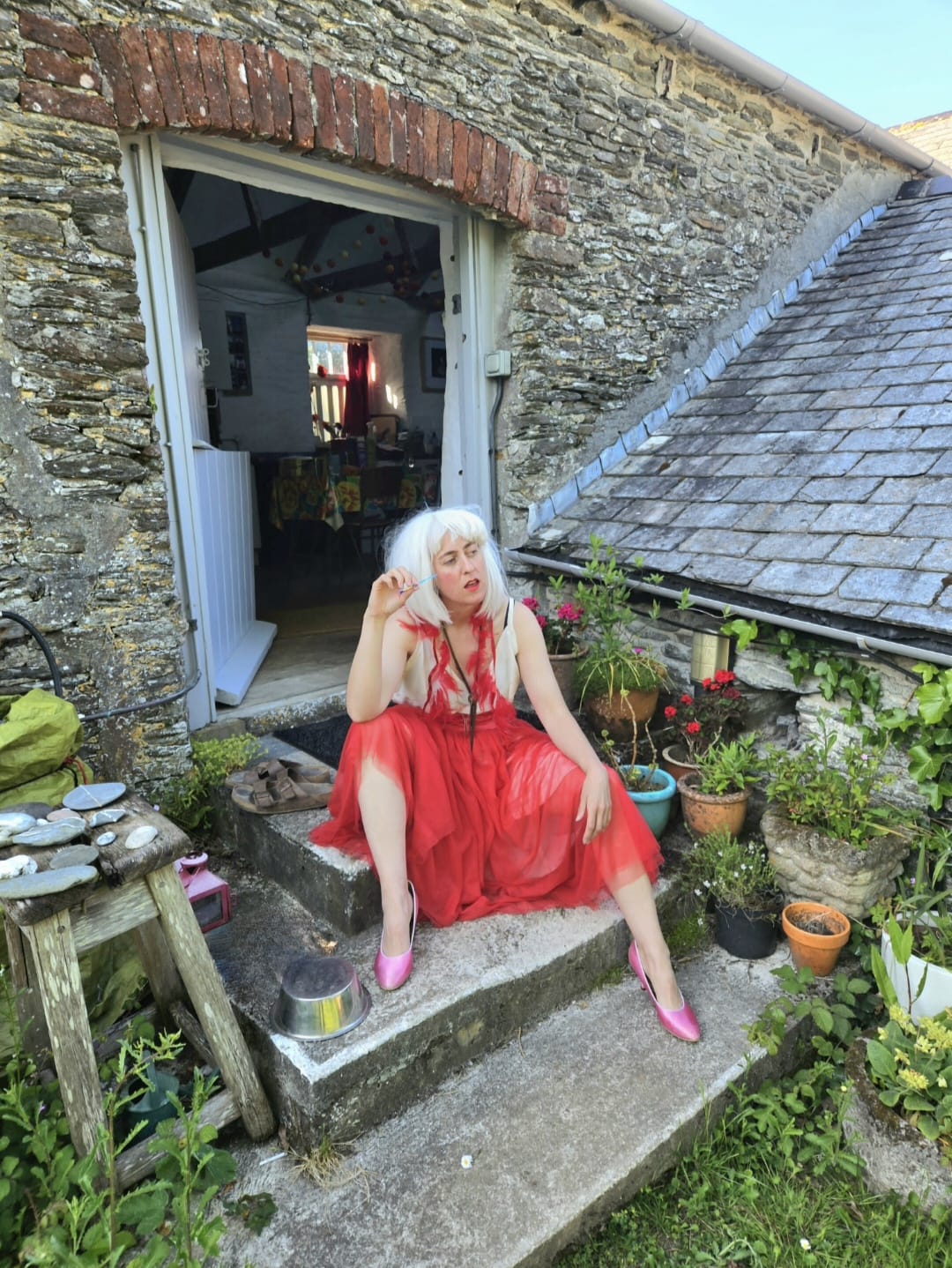
Also arriving that same Wednesday is Japanese performer and theatre-maker Izumi Ashizawa with Kurogo Me, Together!
The title takes its name from the kurogo: black-clad stagehands traditionally used in Japanese theatre. Although physically present, they're understood by the audience to be invisible, moving scenery and assisting performers without becoming part of the action.
Ashizawa turns that convention inside out. What happens when the invisible figure becomes the centre of the story? And what do those quiet, anonymous presences tell us about the hidden parts of ourselves?
Blending Japanese theatrical traditions with contemporary physical performance, the work explores identity, transformation and the uncertain boundary between who we are and what we conceal.
It's precisely the kind of encounter Physical Fest was built to make possible: an intimate Liverpool audience meeting a performance tradition developed thousands of miles away, without needing every meaning to be translated into spoken language.
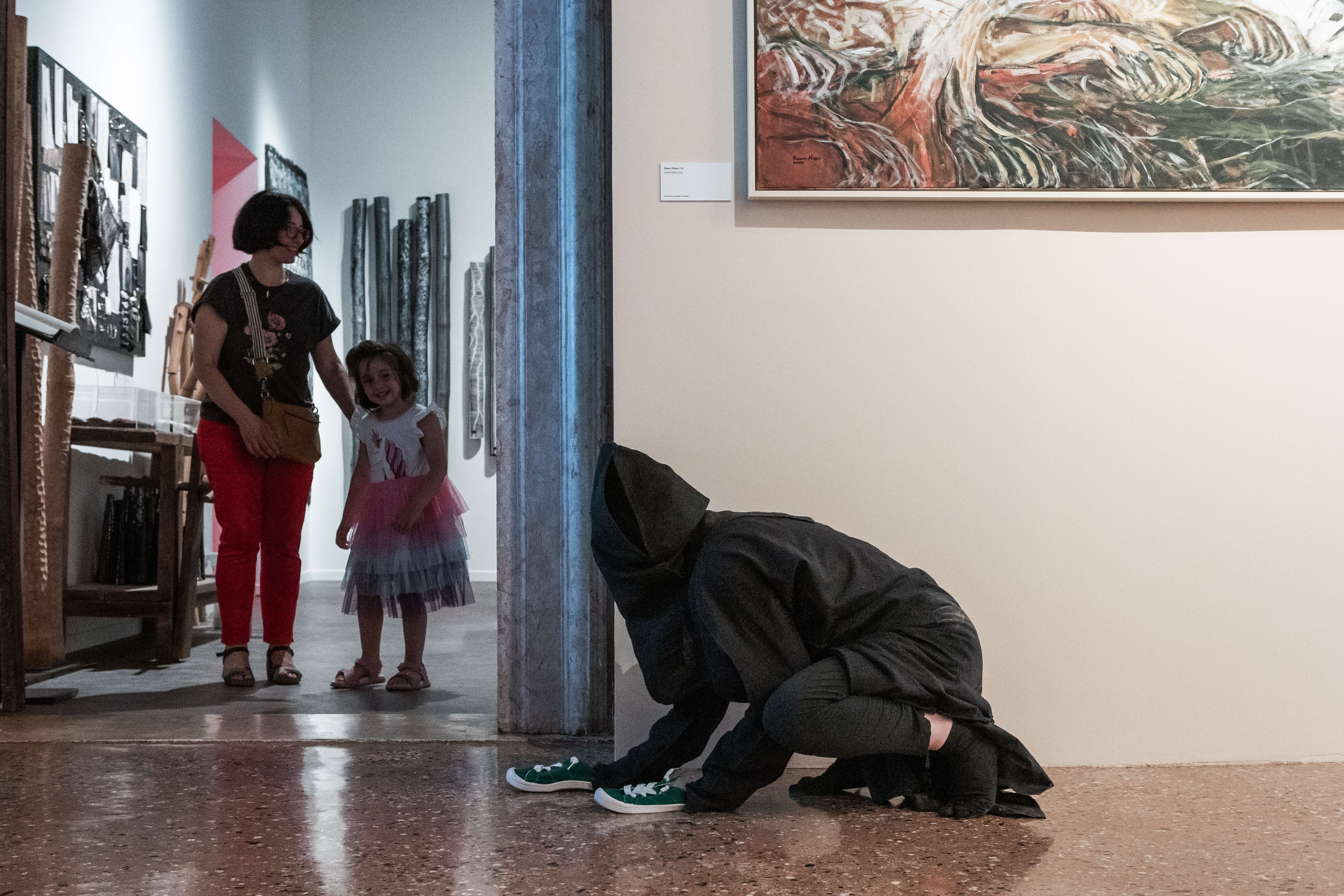
The Thursday double bill brings together two very different pieces of European clowning.
Belgian artist Griet Dossche presents Grietje, while Italy’s Alice Frick brings The Blue Hour to Unity. Both use comedy as something way more complicated than simple entertainment: a means of approaching loneliness, longing, failure and those exposed human moments when dignity abandons us completely. (Again; I've bought a ticket. For a friend, obvs.)
The clown has always possessed a particular licence. They can be foolish, grotesque, tender or absurd - and, while making us laugh, reveal something uncomfortably familiar.
Physical Fest’s programming recognises that clowning isn't merely children’s entertainment or comic relief. In the right hands, it can be one of theatre’s most honest forms.
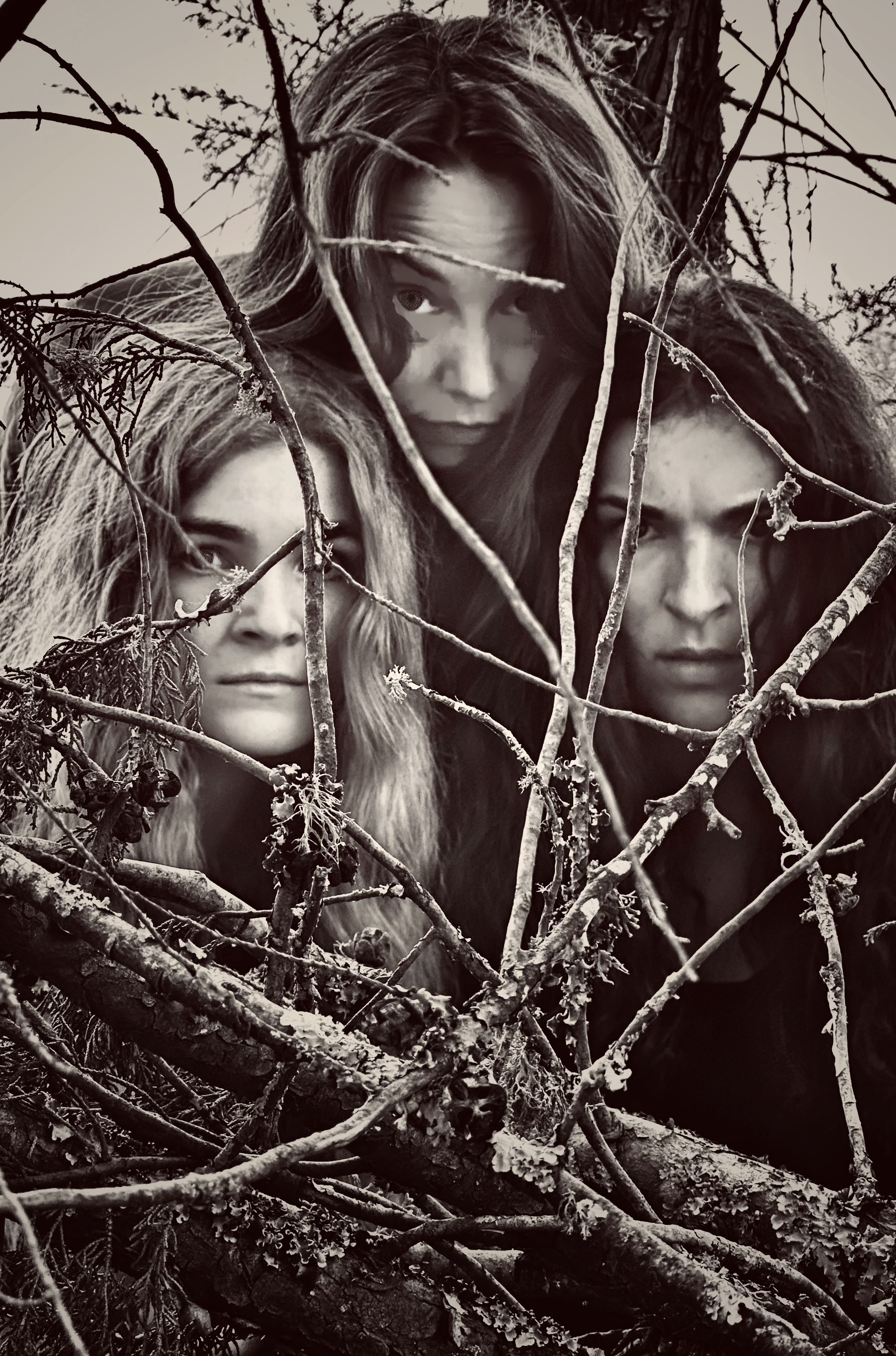
One of the festival’s most significant moments will come on Friday 11 September with a first glimpse of Demonology, a new collaboration between Tmesis Theatre and acclaimed Liverpool-based playwright and songwriter Lizzie Nunnery.
Set in a remote village in 1590, the work enters a community beset by witches - or, perhaps more accurately, by the fear of witches. It's fertile territory for a company with a long-standing interest in the treatment, representation and resilience of women. The history of witch trials is also a history of power: of suspicion directed towards women who were poor, knowledgeable, outspoken, ageing, inconvenient or simply different. (Editor: We don't need anything else from you Emma, thank you.)
By bringing Nunnery’s writing together with Tmesis’ physical language, Demonology has the potential to explore not only what happened to accused women, but how panic moves through a community - passing from one body to another until fear acquires a life of its own.
Saturday 12th brings two final performances.
The quite brilliant Deaf artist Zoe McWhinney presents Upon a Stale Sun, a work incorporating visual vernacular - an approach rooted in highly physical, visually led storytelling and the expressive possibilities of sign language.
The festival then closes with Pessadilla by Italian circus artist Piergiorgio Milano: a nightmarish, dreamlike production in which dance, physical theatre and circus collide.
Milano’s work pushes the body into places that appear impossible, creating a world governed by the unstable logic of dreams. It is a fitting conclusion to a week concerned with all the things a body can become: comic, political, frightened, rebellious, invisible or airborne.
The public performances are only one part of Physical Fest.
Workshops and discussions at Arts Bar Studios are going to allow professional performers, emerging artists and curious newcomers to explore different practices with visiting specialists. That exchange of knowledge is one of the reasons an international festival has value beyond its ticket sales.
Artists don't just arrive, perform and then leave. They share techniques, encounter new collaborators and contribute to the creative life of the city.
For Tmesis Artistic Director Elinor Randle, the festival’s purpose has always been to celebrate adventurous contemporary performance while enabling people to participate in it.
That dual role - bringing work into the North while helping northern artists send their own work out into the world - has sustained Physical Fest for more than two decades.
Liverpool's never needed much persuasion to appreciate performance with swagger, invention and a touch of the surreal. But Physical Fest also makes a broader argument for what theatre can be.
It doesn't always require a grand set. It doesn't necessarily need a conventional narrative. Sometimes it might not need words at all.
It begins with a body, a space and an audience willing to look. And from there, almost anything can happen.





