



In Manchester we never wait patiently to be told what we should wear.
From punk and post-punk to Northern Soul, rave, indie and goth, our city’s most influential looks have rarely begun in fashion houses. They've emerged from club queues, record shops, rehearsal rooms, market stalls and bedrooms: assembled by people with limited money, considerable imagination and no interest in asking permission.
This October, those same people are getting their own fashion week.
Alternative Fashion Week Manchester is going to take over venues across the city from 20–25 October, turning Afflecks, HOME, Islington Mill, Gullivers and SITU at The Alan Hotel into runways, markets, performance spaces and gathering points for Manchester’s alternative communities.
Its founding proposition is straight-forward: subculture deserves a runway.
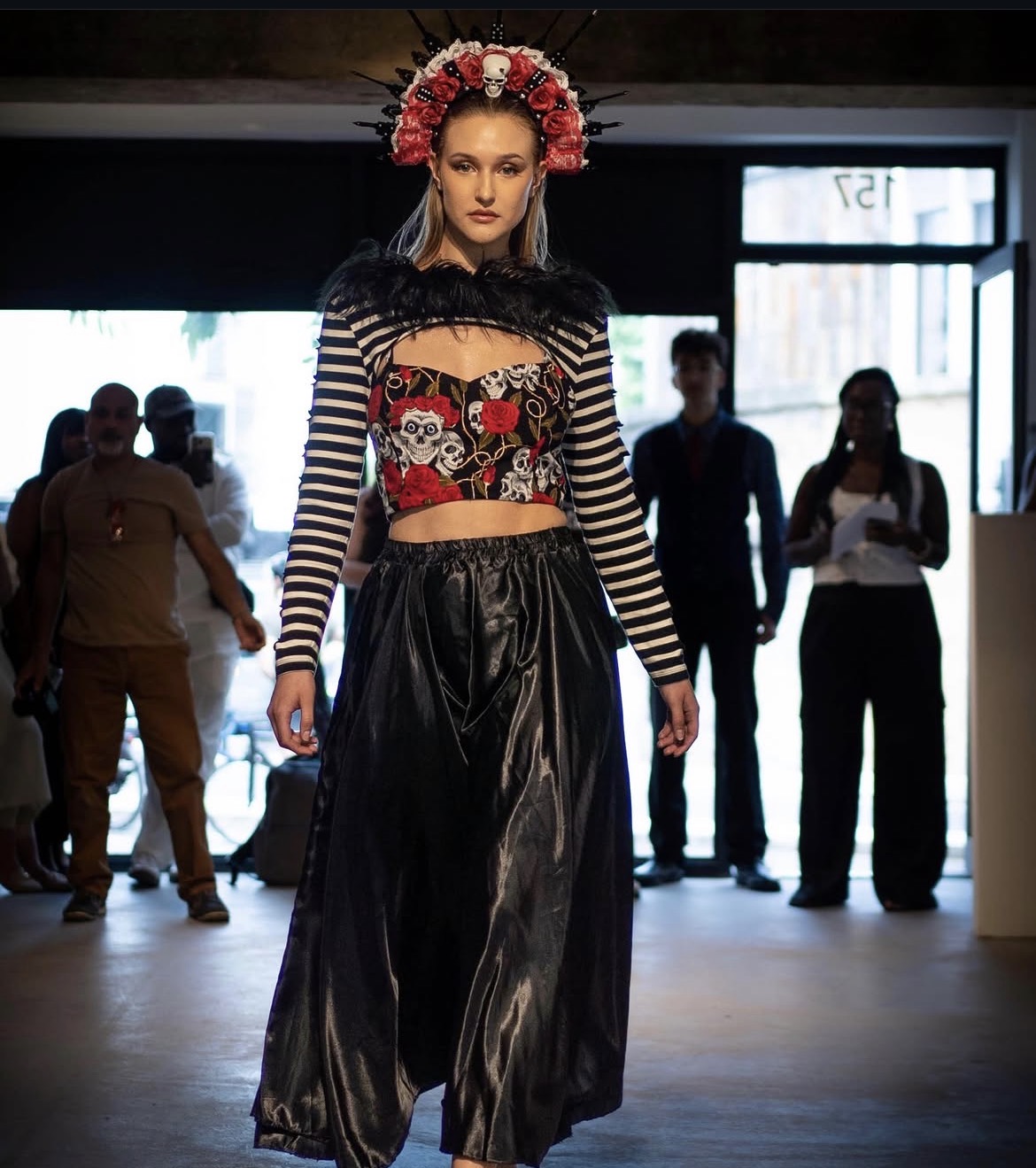
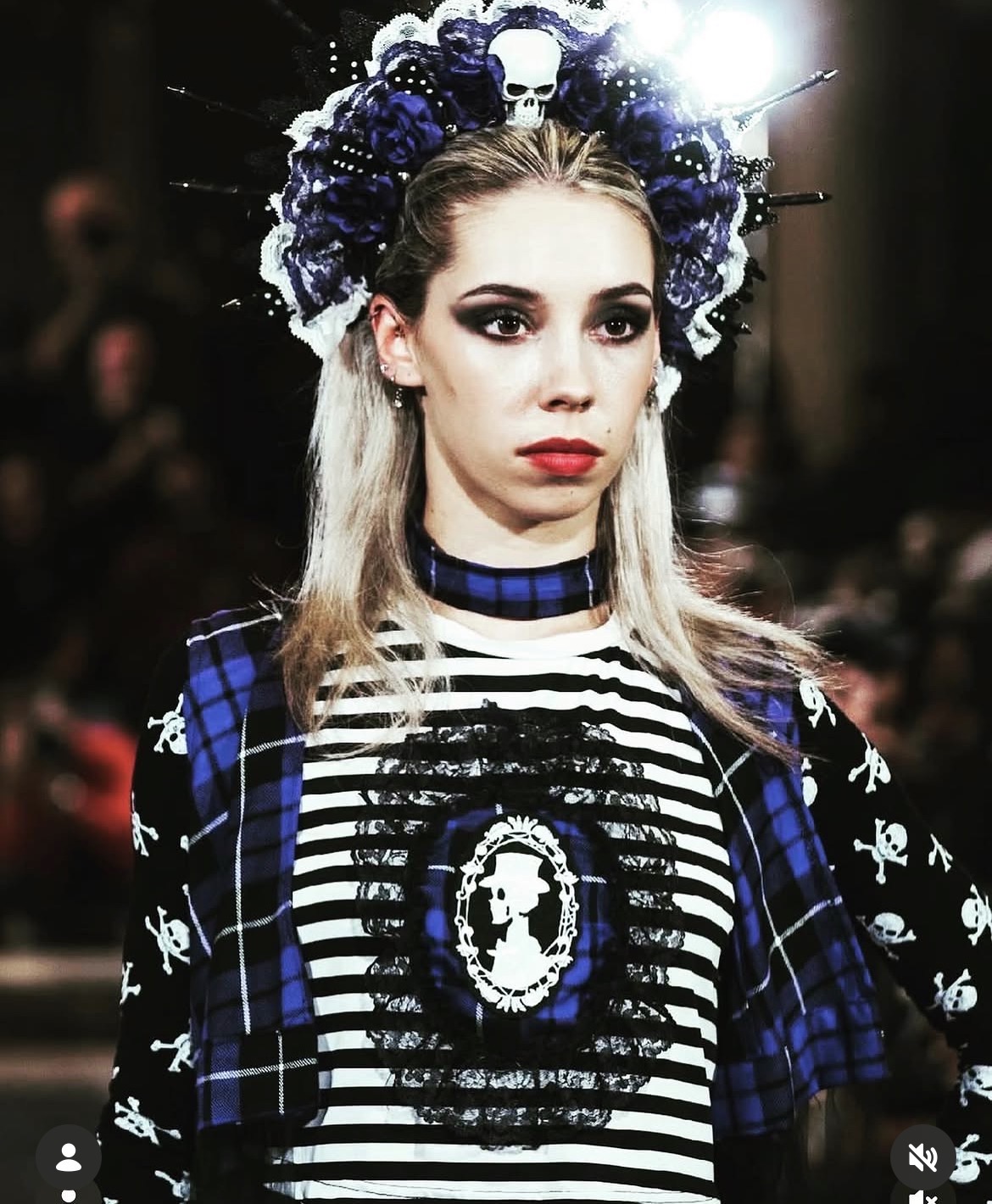
Punks, goths, emos, metalheads, rockabillies and alternative dressers of every description will be represented across six days of fashion, live music, art, performance and nightlife. Northern designers taking part include Sheffield’s Romy Betty, Manchester fashion house Pretty Disturbia and Liverpool’s Callie Holden.
But this isn't just a conventional fashion week with a darker wardrobe.
Alternative Fashion Week's been constructed as a community-led answer to an industry that can sometimes appear remote, expensive and closed to anyone without the correct contacts, qualifications, finances or face.
“At its heart, AFW is about who gets to be seen,” says its founder, Leesa Bertram O’Neill. “Traditional fashion weeks can feel distant, exclusive and inaccessible. AFW has been created from the opposite perspective: bringing the audience, designers and creative community together.”
Bertram O’Neill is a Manchester Metropolitan University fashion graduate and a veteran of the city’s alternative scene. She founded Pretty Disturbia in 2008 and has worked from two institutions central to Manchester’s independent culture: Afflecks and Islington Mill.
She describes the new event as a platform for designers, artists, models and other creatives who've historically existed beyond the mainstream fashion industry.
“This isn’t fashion looking for permission,” she says. “It is fashion made by people who have never needed permission.”
The week begins at Islington Mill on Tuesday 20 October with an alternative clothes swap celebrating circular fashion and creative collaboration.
Live mannequins will appear at Afflecks on Tuesday and Thursday, while the Manchester emporium hosts “pin-up” life drawing and a student fashion showcase on Wednesday 21 October.
The major runway programme begins at SITU, in the basement of The Alan Hotel, on Friday 23 October. On Saturday, the catwalk moves to Gullivers for a show accompanied by live music and DJs, before returning to SITU for the final runway event on Sunday.
Saturday evening will also bring the Black Veil Ball to HOME: a theatrical collision of alternative fashion, performance and nightlife, accompanied by an independent makers’ night market.
Away from the ticketed venues, the Dead Dolls Trail is going to carry the event out onto the streets. Specially created dolls will appear in independent shops, cafés and bars across central Manchester, creating an interactive route through the businesses that sustain the city’s cultural life between its larger festivals.
Bertram O’Neill says the result should feel “less like a traditional fashion week and more like Manchester’s alternative creative world taking over the city for six days”.
The distinction is welcome. Subcultures don't exist only to provide established fashion brands with an occasional source of inspiration. They're communities. Movements: places where people test identities, make friendships, exchange skills and discover that standing outside the mainstream doesn't mean standing alone.
Clothes are part of that shared language. A jacket, silhouette, patch, piercing or carefully constructed face can communicate allegiance and dissent before its wearer says a word.
The mainstream has always borrowed from these worlds. Alternative Fashion Week reverses the direction of travel, giving their originators control of the space and the spectacle.
“Manchester has always been a city where subcultures create their own spaces, sounds and identities,” says Bertram O’Neill.
“From punk and post-punk to Northern Soul, rave culture, indie, goth and countless underground creative movements, Manchester has a long history of turning outsiders into cultural leaders.
“AFW is built from that same spirit.”
Sustainability, individuality and self-expression sit right at the centre of the programme.
Alternative fashion has its own contradictions - it's no more automatically ethical or accessible than anything else we buy - but its traditions of customisation, clothes swapping, independent making and refusing the relentless churn of trends offer something valuable in a culture dominated by disposable clothing.
They also restore creativity to the wearer.
Here, fashion isn't just a product handed down by an industry and consumed by an audience. It can be cut apart, repurposed, exaggerated, distressed, patched, painted and made into something personal.
That's why a student showcase, a makers’ market and a clothes swap belong beside the runway shows. Alternative Fashion Week is interested not only in finished looks, but in the communities and creative labour behind them.
There'll be darkness, theatre and plenty of excellent eyeliner. But beneath the Halloween timing is a serious question about access: who's allowed to participate in fashion, whose bodies are placed on its runways and whose creativity is considered worthy of attention?
For six days in October, Manchester's got an answer.
Bring the misfits to the front.
Alternative Fashion Week Manchester takes place at venues across Manchester from 20–25 October 2026.
Tickets cost between £5 and £27 and are available through Eventbrite.
Images: Alternative Fashon Week Manchester





