



The railway line running around beautiful Morecambe Bay already joins together a succession of places with distinct identities.
Lancaster is a small northern city with a university, two theatres and an increasingly visible independent cultural life. Morecambe has its promenade, its performance spaces and the extraordinary, painstakingly restored Winter Gardens. Carnforth has a railway heritage known far beyond the town itself. Across the Bay, Grange-over-Sands occupies another stretch of coastline, looking back towards Lancashire.
In 2027, that physical connection might just become a cultural one.
Following record audiences for the tenth Morecambe Bay Fringe Festival, organisers are exploring plans for a whole month of performance across the district - potentially linking Lancaster, Morecambe, Carnforth and Grange-over-Sands between 25 June and 25 July.
Among the ideas under discussion are a Folk Train or “Festival Express”, along with a festival rail ticket allowing audiences to travel between different Fringe programmes around the Bay.
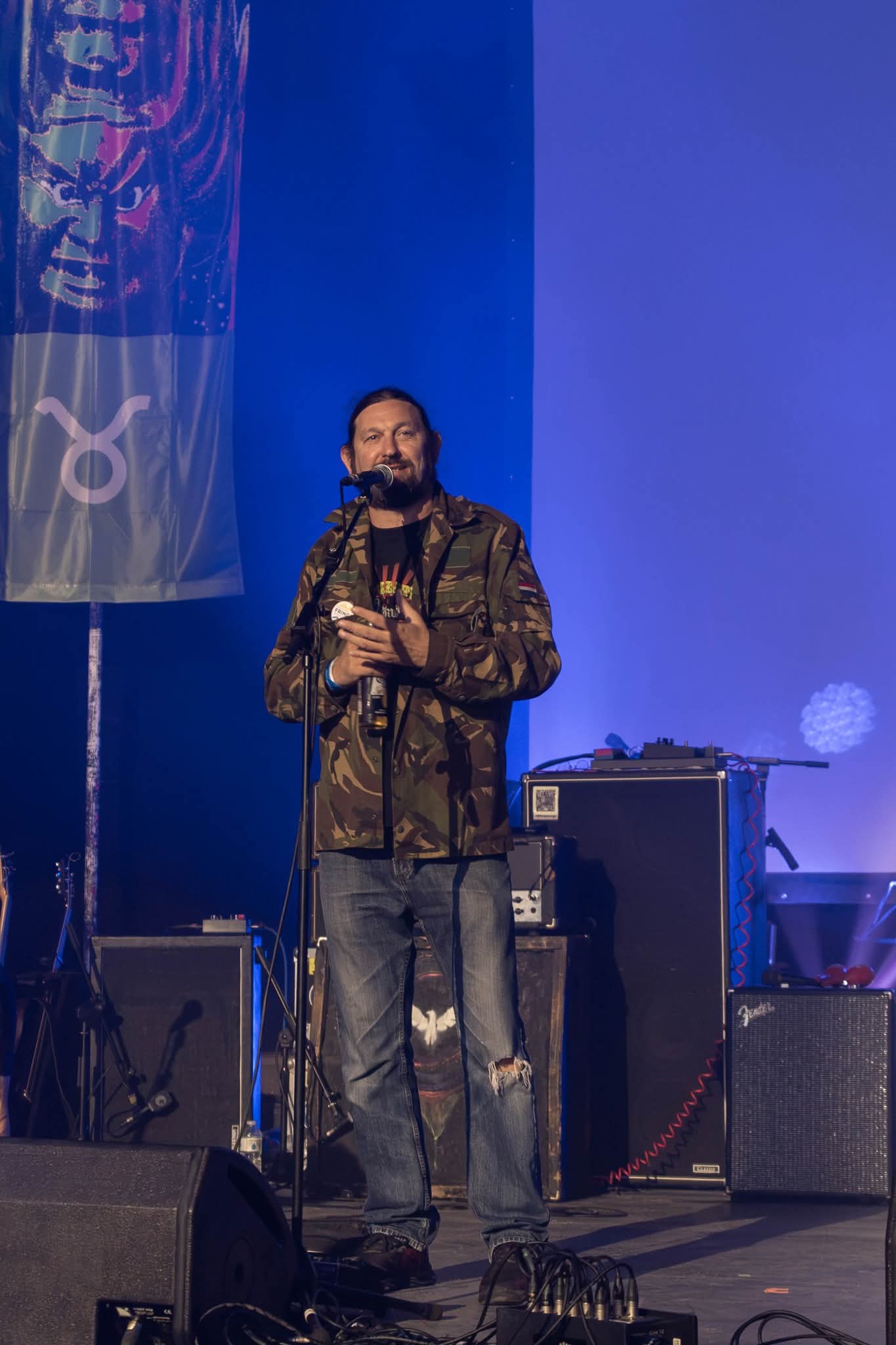
“The railway already connects these places physically,” festival director Matt Panesh says. “The opportunity now is to connect them culturally - separate towns and individual festivals retaining their own identities, but together creating one extraordinary month of performance around Morecambe Bay.”
It's an ambitious proposal, but it follows a decade of steady development rather than arriving from nowhere.
This year’s festival presented 86 performances across Morecambe and Carnforth, attracting almost 4,000 people over three weeks. When the Fringe began ten years ago, its first programme contained just 16 shows.
The 2026 festival was its largest to date, with audiences almost three times greater than the previous year. Public festival listings described more than 70 shows taking place across pubs, theatres, libraries and cinemas in the two towns.
Those numbers are significant, particularly for a festival developed outside one of Britain’s established metropolitan cultural centres. But Panesh argues that the more important achievement is the network of people, skills and places that has grown behind them.
“It’s taken ten years to build the cultural infrastructure behind those numbers,” he says. “The Fringe isn’t just three weeks of shows: it gives local people a platform to develop skills, make work and then take that work elsewhere.”
That breadth could be seen at the Winter Gardens, where three markedly different events demonstrated the range of an open festival programme.
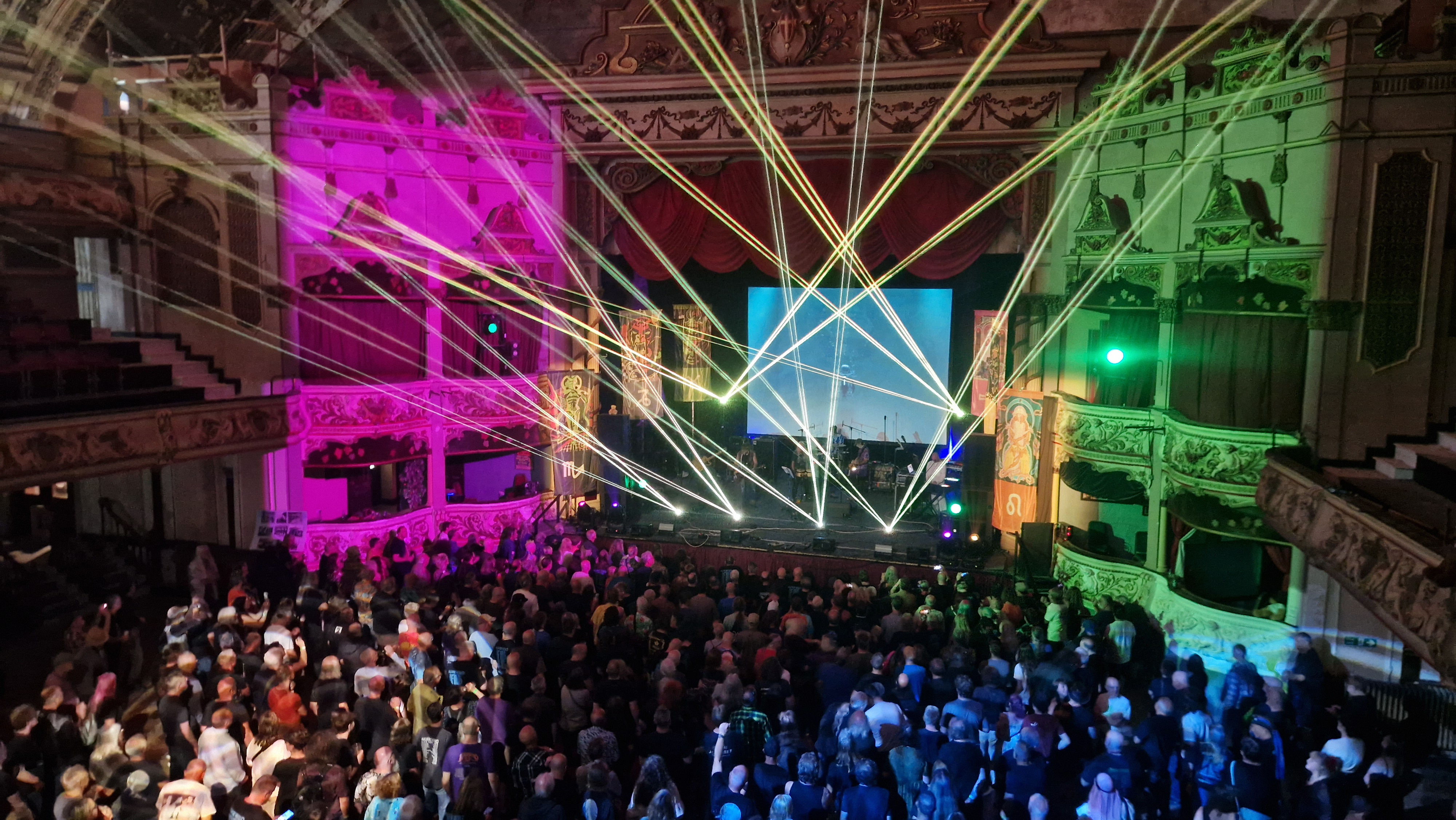
Stars of cult television comedy The Young Ones appeared on stage for a retrospective. Jan Harlan, the executive producer who worked with Stanley Kubrick, discussed The Shining. The festival then closed with Hawkwind Friends and Relations filling the restored theatre with music, lasers and light.
Audiences travelled from Australia, Canada, the United States and Europe for the final weekend.
Professor Vanessa Toulmin, chair of the Morecambe Winter Gardens Preservation Trust, believes the response showed what the town can offer as a cultural destination.
“Stage shows, screenings and live music showed the diversity and range of the programming,” she says. “It was a joy to showcase our beautiful theatre and the renovations we have done to the fantastic Fringe audiences.”
For Panesh, a lifelong Hawkwind fan, the final performance carried particular personal significance.
“To see them bring their own festival to Morecambe and then fill the Winter Gardens with that spectacular laser and light show was extraordinary,” he says.
But he's equally clear that the festival’s value lies in placing internationally recognised performers and people making their first work within the same programme.
“Local people making their first show at one end of the programme and internationally renowned artists filling the Winter Gardens at the other - having all of that sitting within the same festival feels like a pretty good way to celebrate our tenth Fringe.”
Nine participants from this year’s Make Your Fringe Show programme went on to perform in Morecambe and Carnforth. Two have already secured opportunities to present their new work elsewhere.
The workshops are designed to help people turn an initial idea into something that can be performed in front of an audience. Experience isn't a condition of taking part.
Participant Helen Logan describes the programme as a space in which artists can experiment, work together and develop confidence.
“Watching ideas transform - from the spark of a concept into a finished performance - never loses its magic,” she says. “It’s inspiring to see how every participant, regardless of experience, grows both creatively and personally throughout the journey.”
And an accessible development route in this part of the world is important. Fringe festivals can provide stages for touring artists travelling towards Edinburgh, but their longer-term local value depends upon whether people living in the host community are able to participate too - not simply as ticket-buyers, but as performers, producers and creators.
Carnforth joined the programme three years ago and has since helped the festival to grow both its reach and its audience. More than 400 people attended events in the town this year, encountering comedy, music, theatre, poetry and spoken word from experienced performers and first-timers.
Councillor Chris Smith, who leads the Carnforth programme, is now inviting performers and venues to begin discussing opportunities for 2027.
“It’s been a real treat to have seen the range and quality of shows this year,” he says. “The shows en route to the Edinburgh Fringe have, of course, been wonderful, but equally the local shows - from seasoned performers to first-timers.”
The festival’s Film and Television Festival also emerged as a significant strand of the 2026 programme. Plans for next year already include a locally made feature film, a possible touring Shakespeare production combining local and professional performers, and the return of Jan Harlan for another Kubrick question-and-answer event.
%20and%20Jan%20Harlan%20.jpg)
Organisers are now in discussions with Grange-over-Sands about becoming part of the Fringe network.
A separate new Lancaster Fringe Festival has already been announced for 24–27 June 2027, with venues and performers across the city being invited to participate. Together, the developing programmes raise the possibility of sustained Fringe activity extending around Morecambe Bay for an entire month.
The proposal doesn't depend on making the participating towns indistinguishable. Its strength could lie in allowing each place to create a programme reflecting its own venues, performers, communities and character - while giving audiences a reason to travel between them.
A shared rail ticket or specially programmed train would make that relationship visible. The journey would no longer be the gap between festival experiences; it could become one of those experiences.
There are practical questions still to be answered. A month-long programme crossing local authority and county boundaries would require coordination between independent organisers, venues, transport providers and funders. Affordability would also be essential if the expanded festival were to remain true to its community foundations.
But the geographical logic is compelling.
The railway shaped the development of these coastal towns, bringing visitors, industries and new possibilities. More than a century later, it could help them build something together again.
The tenth Morecambe Bay Fringe has demonstrated that audiences will travel to the Bay for live performance. The opportunity for its second decade is larger: to ensure that the culture being celebrated is also made there, by the people who live around it.
The tracks already join the places. Now the Fringe wants to join the stories.
Morecambe
Carnforth
Follow Morecambe Bay Fringe on Facebook for announcements, dates and ticket information
Header image: Hawkwind perform a sold-out show at Morecambe Winter Gardens. Credit: John Chase





