



.jpg)
From where I'm standing, Sunderland is less concerned with “nice cultural stories.” The city is too busy building systems.
When MagNorth visited the city’s Culture Start event last month, the point wasn’t subtle: culture isn’t a luxury. It’s how you tackle inequality. It’s how you shift life chances. It’s how you build a city that works for the people who live there - not just the ones you’re trying to attract.
And that wasn’t branding. It was deeply-felt intent.
Now Sunderland is taking that same logic and putting it on an international stage.
This June, Wearside will host the Music Cities Network Summer Summit - the first UK city to do so - bringing global leaders together to rethink how music shapes cities, economies and public policy .
It will look like a cultural event. But it's much more than that.
Strip away the framing and what you see in Sunderland is straightforward: Highly developed economic strategy.
It’s about building a sector. Growing capability. Creating jobs. Retaining talent. Attracting investment. Connecting local identity to global opportunity.
All the things every national growth plan claims to prioritise.
The difference is the entry point. Here, it’s music. And for some reason, that still seems to confuse people.
The summit lands at the end of a Year of Music - not as a celebration, but as a signal of intent. A way of saying this isn’t a programme that ends. It’s a direction of travel .
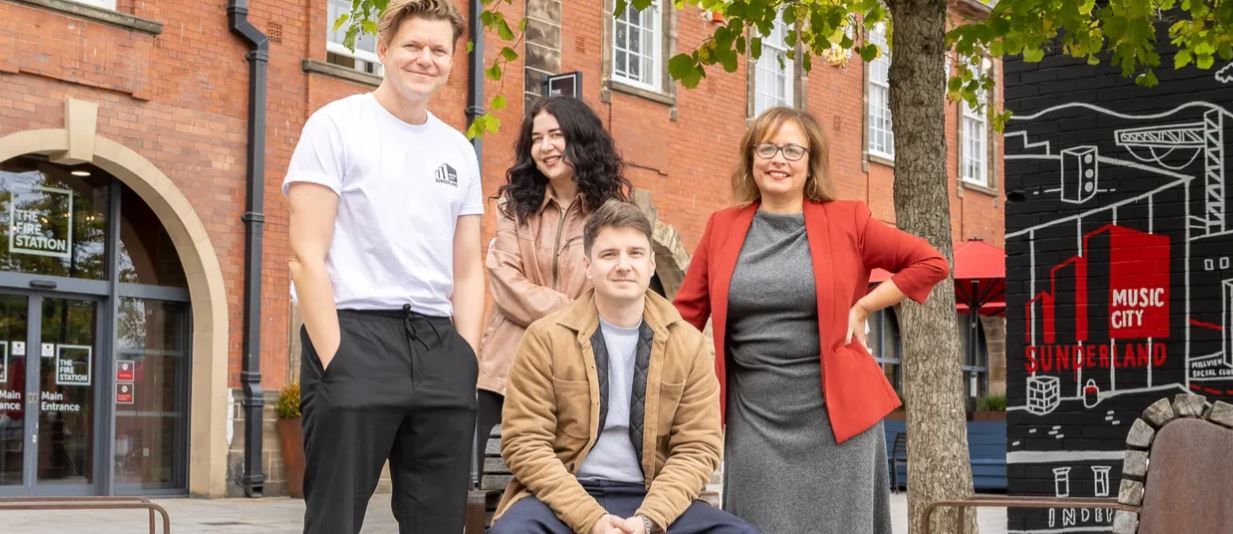
Culture Start asked a question most policy frameworks avoid: what if culture was where you started, not where you finished? What if you treated access to creativity as fundamental to tackling poverty, not a response to it?
That reframing is the key.
Because once you accept culture as integral, the logic changes. You stop bolting it on and start building around it.
June's summit is what happens next. It takes that same thinking - systemic, place-based, long-term - and scales it. Connects it to industry. Opens it up to global exchange. Positions Sunderland not just as a participant, but as a contributor to how cities rethink growth. That’s the sort of shift that works.
If Sunderland were announcing a new advanced manufacturing cluster, the language would be different. If this were hydrogen, AI or defence, it would be framed as strategic. Critical. Essential to the UK’s future.
Instead, it still gets placed - subtly but consistently - into the “cultural” box.
On our own site - are these words published under 'cultural' - or 'social' headers? They're both. (Please take note Design Guy - can we talk first-thing Monday?)
And that’s the problem. Because it reveals a blind spot.
The UK is comfortable talking about infrastructure when it’s physical. It struggles when it’s social, creative or civic - even when the outcomes are the same: Jobs. Skills. Growth. Retention. Identity.
Sunderland isn’t lacking seriousness. The framing is.
And there’s nothing accidental about this.
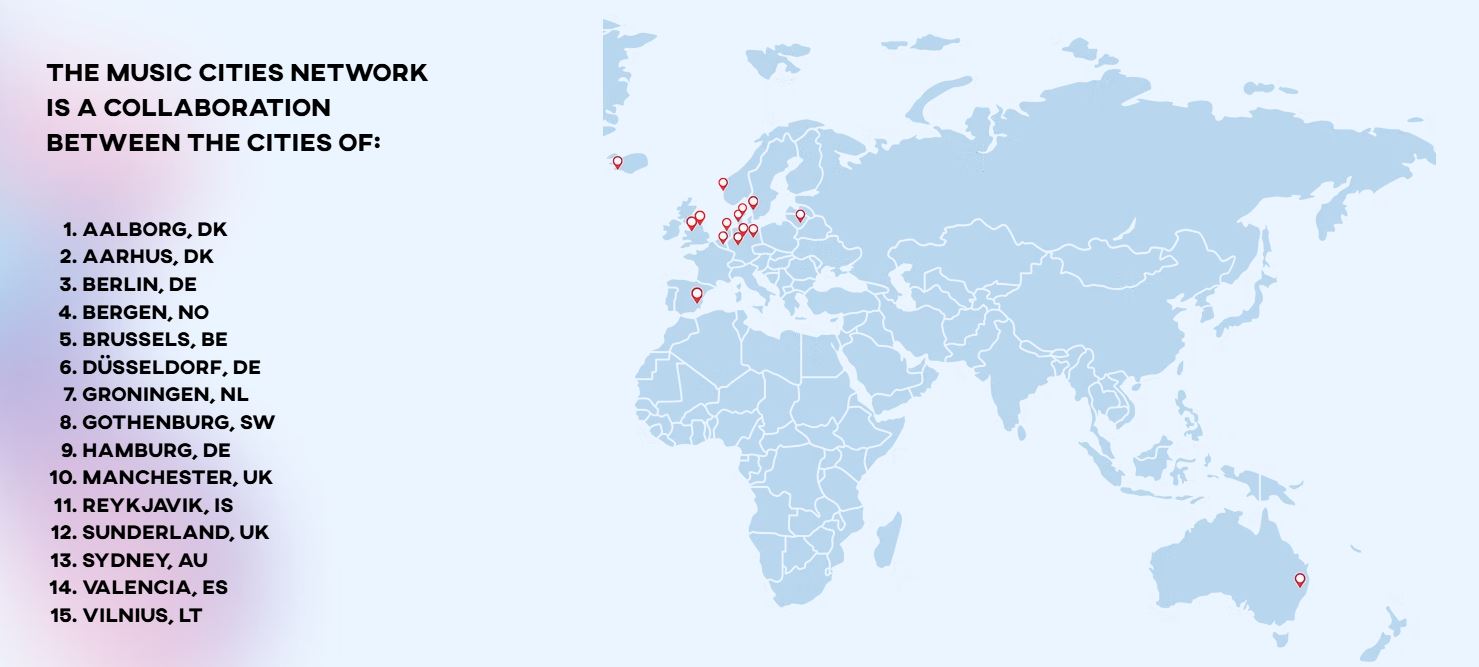
Sunderland joined the global Music Cities Network in 2025. Since then, it has moved quickly - building partnerships, aligning strategy, investing in its identity as a music city with intent.
This isn’t opportunistic. It’s deliberate - and it's 'looking-over-the-horizon' stuff. The summit itself reflects that.
Three days of programming. International delegates. Conversations about how music ecosystems are embedded into policy, how cities collaborate across sectors, how sustainability is built in from the start.
This is practice being shared, not theory dressed up as ambition.
Sunderland has made a decision: Culture isn’t a side project. It isn’t a department. It isn’t something you fund when times are good.
It’s the system.
And once you build around that idea, everything else starts to align - economy, education, health, identity, opportunity.
The question now isn’t whether Sunderland’s approach works. It’s whether anyone else is willing to follow it.
Because if this is what growth looks like in the North, the rest of the UK would do well to examine closely.





