



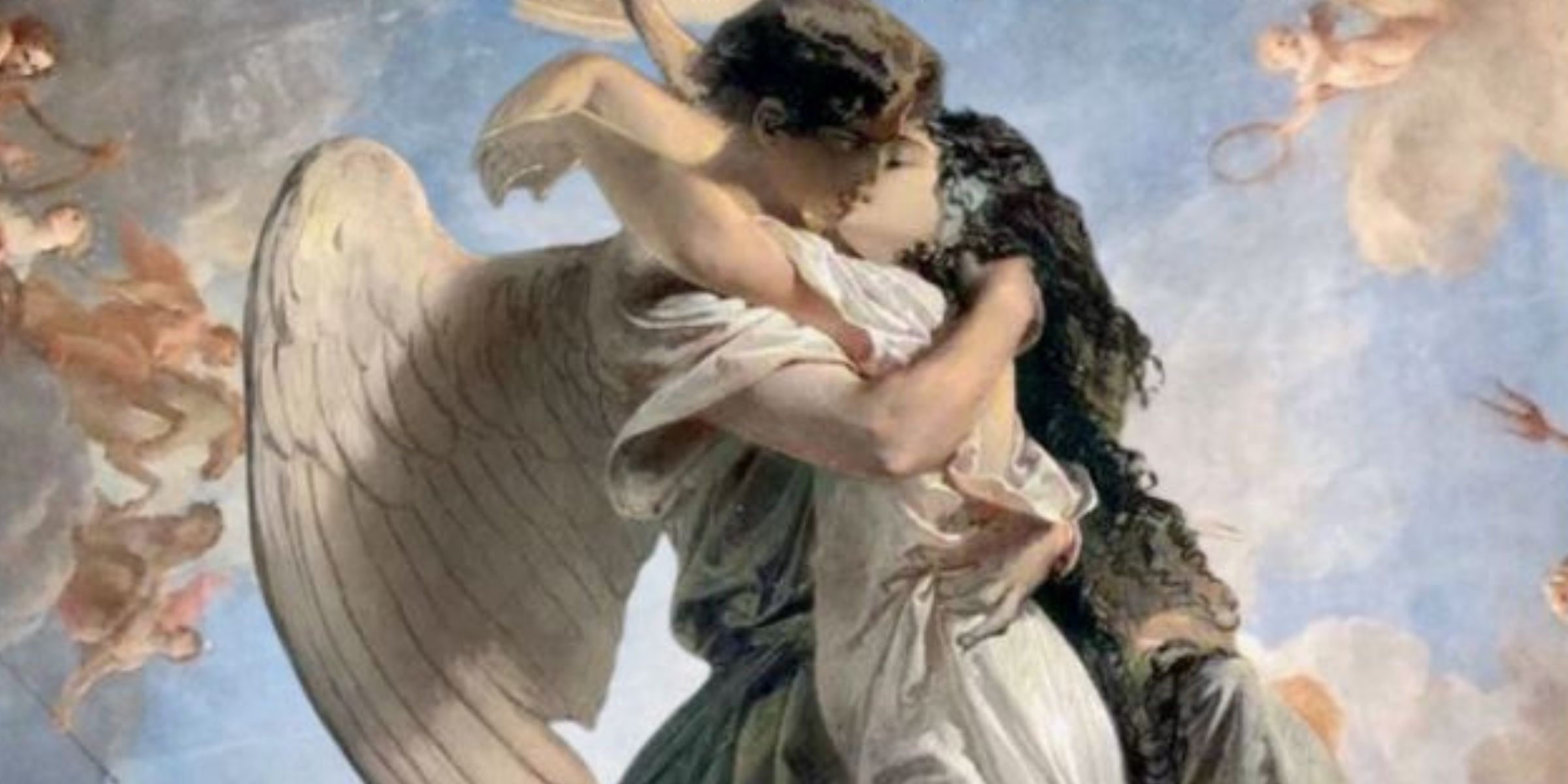
There is a very particular kind of romance in Eleanor Merretti’s North. It can be found in a Sheffield pub with peeling paint, in the commotion of a market, on the road to Whitby or beside a coastline where memory refuses to remain neatly in the past.
This isn't northernness deployed as scenery or softened into nostalgia. In Merretti’s poetry, place is intimate. It lives in the voice, in class and community, in the people who know one another’s names - and in the complicated question of what we carry with us when we leave somewhere behind.
Originally from Sheffield and now living in the North East, Merretti is an independent writer working across poetry and theatre. An extended hardback edition of her debut collection, Drowning in Honey, was published on 20 August, bringing together poems concerned with love, heartbreak, friendship, grief, identity, womanhood and memory.

It's a collection drawn towards contradictions. Sweetness exists beside bitterness; desire beside self-preservation; permanence beside the knowledge that relationships, homes and entire versions of ourselves can disappear.
The title captures that tension rather beautifully. Honey promises comfort and pleasure, but drowning - even in something sweet - is still drowning. Throughout the collection, Merretti considers the point at which affection becomes engulfing, memory becomes haunting and the stories we tell about love begin to obscure the people living inside them.
Her style is candid and conversational, moving between moments of lyric tenderness and flashes of much harder recognition. Grand emotional states are continually brought back into contact with ordinary life: coffee left to grow cold, flowers in beer bottles, a name appearing on a screen, a childhood home being emptied, or two people discovering that silence has changed its meaning.
That accessibility shouldn't be mistaken for simplicity. Merretti is clearly interested in the instability of memory - how it preserves, distorts and returns - and in the identities we construct from relationships long after those relationships have altered or ended.
Place provides one of the collection’s strongest anchors. Sheffield isn't merely where the writer comes from; it represents a form of belonging shaped by community, work, inequality and pride. Elsewhere, Whitby and the North East coast become emotional landscapes, carrying private histories alongside their more familiar public identities.
This understanding of the North feels important. Too often, our northern life is presented from outside as either deprivation or picturesque authenticity. Merretti writes from within it instead, attentive to its humour and romance but also to the pressures placed upon its communities, schools, venues and high streets.
The result is poetry that can move from the deeply personal to the quietly political without pretending the two are ever entirely separate.
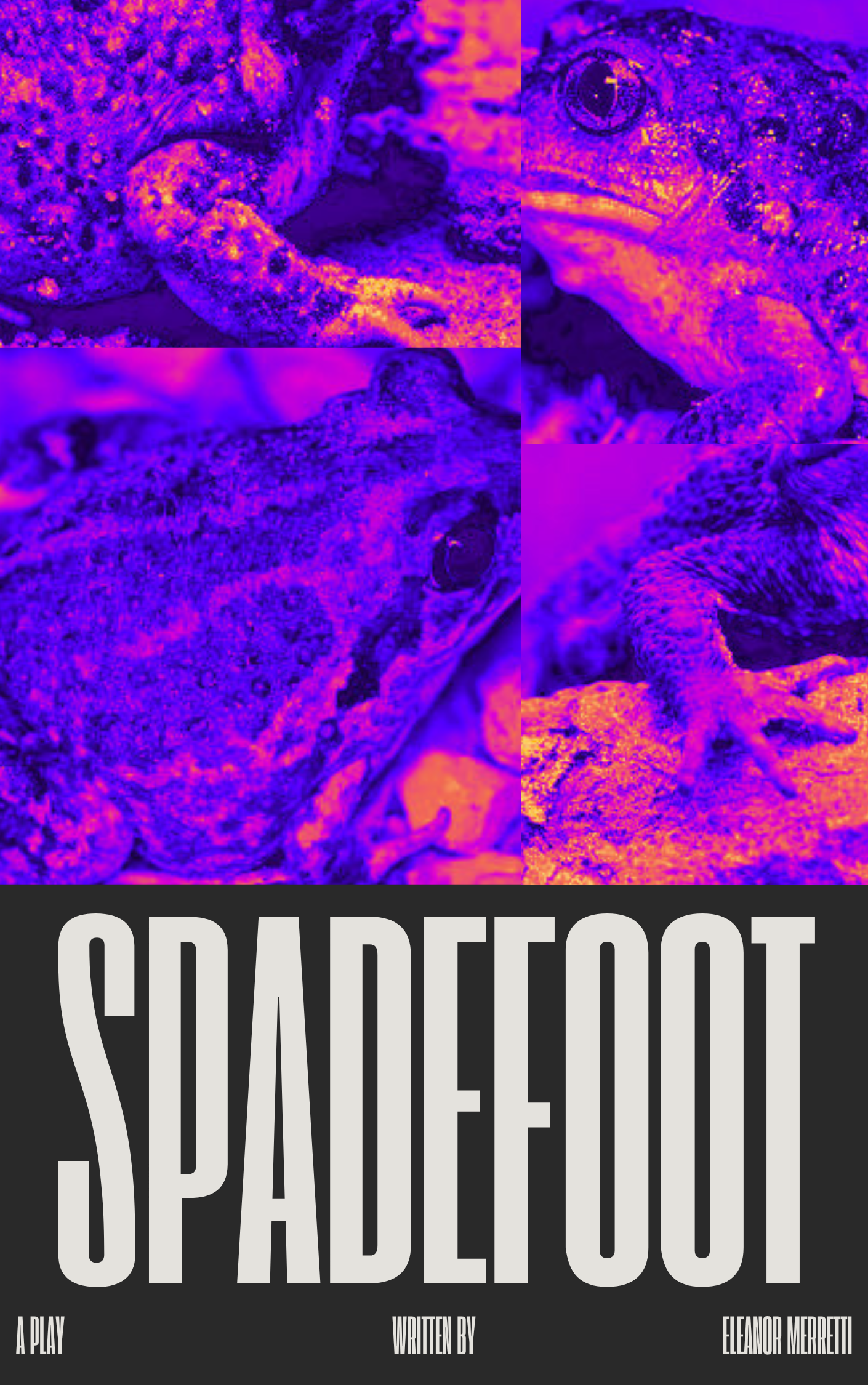
This autumn, Merretti will carry some of those concerns into a different form with her debut play, SPADEFOOT.
The psychological drama is set within a scientific project studying an endangered spadefoot toad near Copenhagen. Dr James Rasmus and his small research team are waiting for the rare flash flood that will allow them to study the species’ survival when a new graduate, Nora, arrives.
As unexplained incidents begin to disrupt their work, relationships within the team fracture and questions of ambition, guilt and grief rise to the surface. The setting may appear far removed from the streets and coastlines of Drowning in Honey, but the underlying territory is connected.
Both works are interested in what human beings attempt to preserve, what they suppress and what refuses to stay buried.
The spadefoot toad is an especially resonant creature around which to construct such a drama: an animal associated with concealment, waiting underground for the conditions that will draw it back into the world. Merretti uses that scientific setting to explore the emotional lives of her characters and the consequences of histories they may have mistaken for dormant.
It is an intriguing step from poetry into theatre, but not an unnatural one. Her poems already possess an instinct for voice, compression and the revealing detail. SPADEFOOT appears to broaden that enquiry, placing competing memories and motives together in a room and allowing tension to accumulate between them.
For a writer at the beginning of her publishing and theatrical life, the arrival of these two projects in close succession feels less like a coincidence than a statement of intent.
Merretti’s work asks how we live among our memories without allowing them to consume us - and how we might speak honestly about love, grief and belonging without simplifying their contradictions.
Sometimes what has been buried isn't gone. Sometimes sweetness comes with danger. And sometimes the landscape we believe we have left behind continues to live inside us.
The extended hardback edition of Eleanor Merretti’s Drowning in Honey is available now. Her debut play, SPADEFOOT, is due to premiere in autumn 2026, with publication scheduled for 9 October.





