



it is true that a spoken voice on a record can often change meaning without a single word being altered.
When Southport band Bobhowla first released Tainted in September 2022, the voice belonged to Andy Burnham, then Mayor of Greater Manchester. It delivered a devastating assessment of the infected blood scandal: “This was a criminal cover-up on an industrial scale.”
Four years later, the band have made a new recording of the song, holding on to that damning spoken passage. Burnham is now Prime Minister. Words once spoken by a campaigning politician can now be heard as a challenge to the very government he leads.
That gives the release an unusual significance - and power. It might also risk diverting attention away from the people the song was written for.
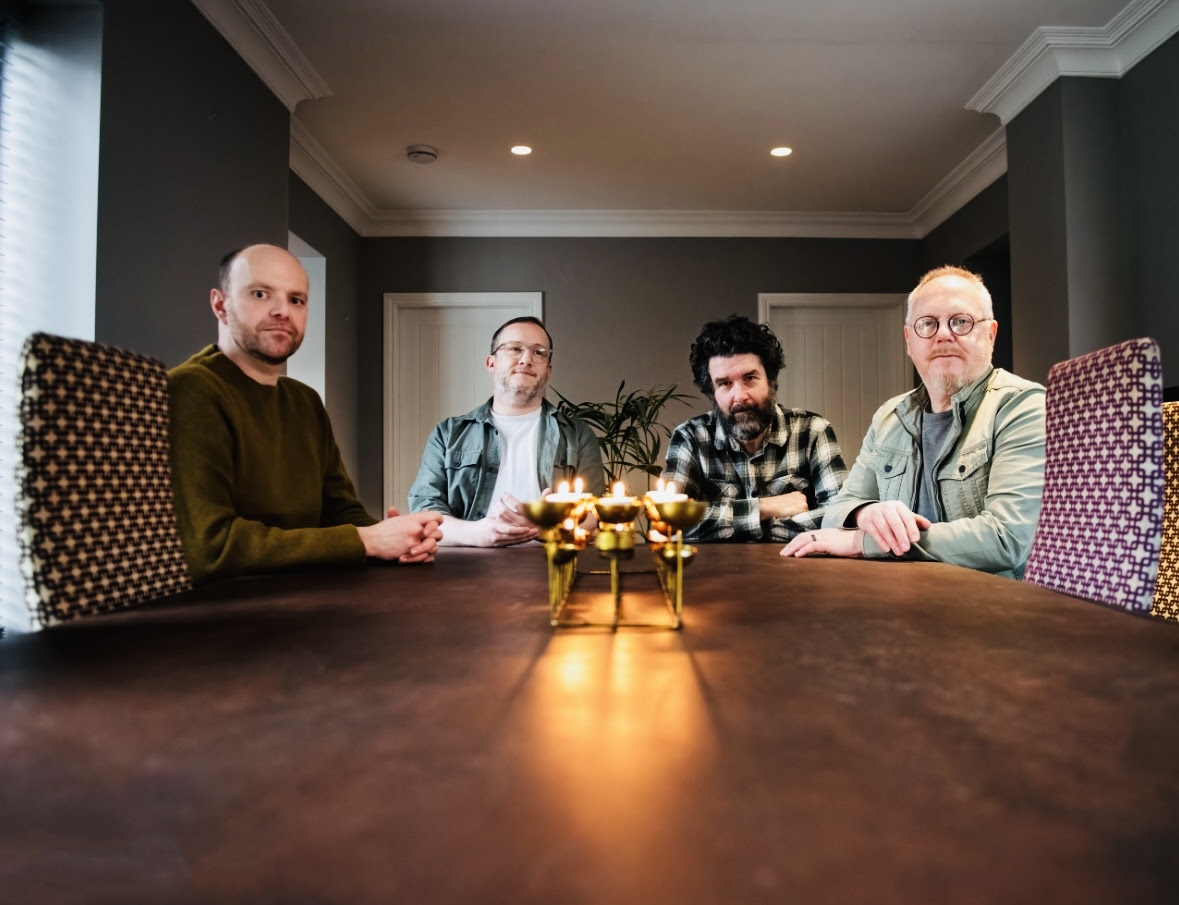
Howard Doupe, Bobhowla’s singer, guitarist and songwriter, is clear about where the focus belongs.
“But I don't want that extraordinary coincidence to overshadow what Tainted is actually about,” he says in the announcement accompanying the release. “The people at the centre of this story aren't politicians or musicians. They're the people who were infected and affected, the families who lost loved ones, and those who spent decades demanding the truth.”
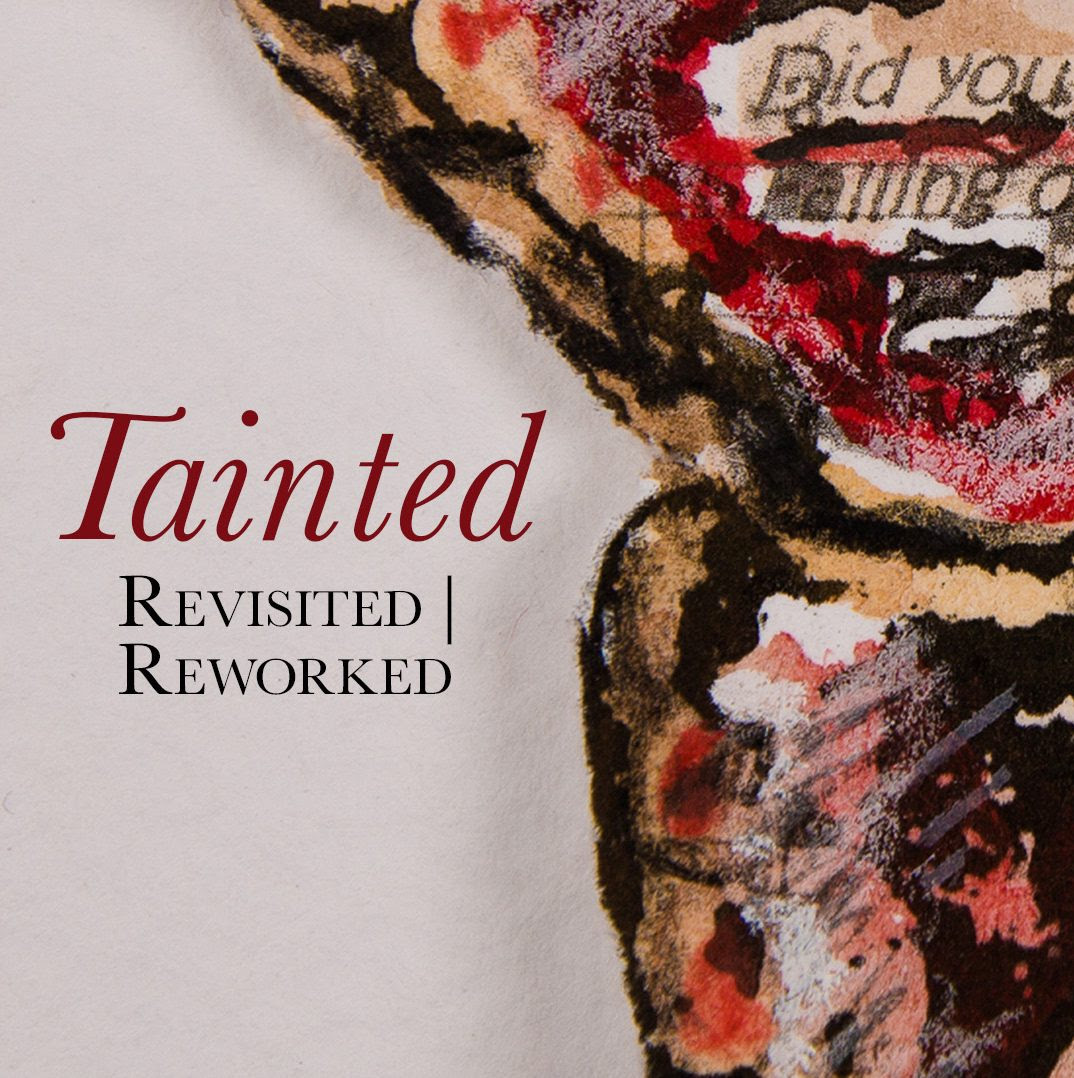
Released on Friday 30 October, Tainted: Revisited | Reworked returns to a subject whose consequences can't possibly be contained within the dates of an inquiry or the announcement of a compensation scheme.
For Doupe, the starting point was anger at what people had endured, and at the effort required to get institutions to listen.
“When I originally wrote Tainted, it wasn't intended as a party-political song. It came from anger at what had happened to people, how long they had been forced to fight to be heard, and the scale of the institutional failure surrounding them.”
The band describe their music as combining alternative and indie rock with melodic songwriting and atmospheric guitars. Here, that independent musical practice carries a public purpose: bringing an injustice back into hearing when attention might otherwise move on.
There's a particular responsibility in doing that. A song can reach listeners who would never open an inquiry report. It can also compress a complicated history into a familiar voice and a striking phrase. Doupe’s insistence on keeping infected and affected people at the centre matters massively, because it resists that simplification.
The Infected Blood Inquiry’s final report, published in May 2024, established failures across government, the NHS and other institutions. Sir Brian Langstaff concluded that the disaster could largely have been avoided.
The report estimated that more than 3,000 deaths were attributable to infected blood, blood products and tissue. Its account extended beyond infection itself to the suffering of partners, children, carers and bereaved families, and to the further harm caused by institutional defensiveness, concealment and failures of redress.
Those findings changed the public record. Delivering compensation is a further, unfinished obligation.
The Infected Blood Compensation Authority’s figures published on 8 October, covering the position at 30 September 2026, show that 3,722 people had received compensation, with payments totalling approximately £2.38 billion. A total of 7,151 people had been asked to begin their claims.
These are distinct stages of a process. An invitation to claim isn't an offer; an offer isn't a payment.
Nor can the figures simply be turned into a percentage of everyone eligible. IBCA says registration remains open for several groups and the total number who may claim is not yet known.
See IBCA’s dated compensation figures.
The authority’s October community update says every living infected person registered by the end of September had been asked to start their claim. It also says all remaining deceased infected claims would be invited to start before 31 March 2027. That timetable makes clear why the publication of the Inquiry’s findings cannot be treated as the end of the story.
Read the October community update.
Burnham’s contribution was approved for the original recording while he was Greater Manchester’s mayor. According to the band, he listened to the song before his office confirmed permission to use the extract.
“Andy's words captured that extraordinarily powerfully, which is why I approached his office about using them,” Doupe says. “He listened to the original recording himself and very kindly gave us permission.”
The release makes an important distinction: this is an archival recording, and its inclusion shouldn't be understood as an endorsement of Bobhowla or the new release by Burnham or the Prime Minister’s Office.
But its changed context nevertheless invites a legitimate question about power. What happens when someone who has publicly named an institutional injustice acquires greater responsibility for addressing its consequences?
For a band working independently in Southport, the answer is beyond the scope of a record. Keeping the question audible is not.
“Returning to the song four years later feels quite strange,” Doupe says. “Andy is now Prime Minister, so inevitably his presence on the recording has acquired a significance none of us could have anticipated when we first made it.”
The unexpected political history will hopefully bring people to Tainted. Doupe’s hope, expressed in his determination to keep the focus on families, gives them a reason to stay with its subject.
The song has returned. For people still seeking redress, the waiting has never been an interval.
You can hear Bobhowla's wonderful stuff HERE


