



There are few more impactful ways for a place to declare its intentions than by filling one of Britain’s great entertainment palaces and asking an orchestra, a scattering of northern musical heroes and several thousand local people to sing Heroes together.
That's what happened inside Blackpool Opera House on Sunday evening. But The People’s Stage was also an argument.
The free concert on 26 July brought KT Tunstall, Jack Savoretti and the Hallé Orchestra together with an all-star house band featuring musicians associated with James, The Stone Roses and The Courteeners. Blackpool’s own Little Boots and Rae Morris shared the programme with actor Tom Burke, Northern Soul singer Darrell Smith and work by local poets and performers.
More than 10,000 people had applied for tickets; over 2,500 were inside the Opera House. The response demonstrated an appetite not simply for another large Blackpool show, but for cultural experiences where local audiences might recognise themselves as participants rather than passing customers.
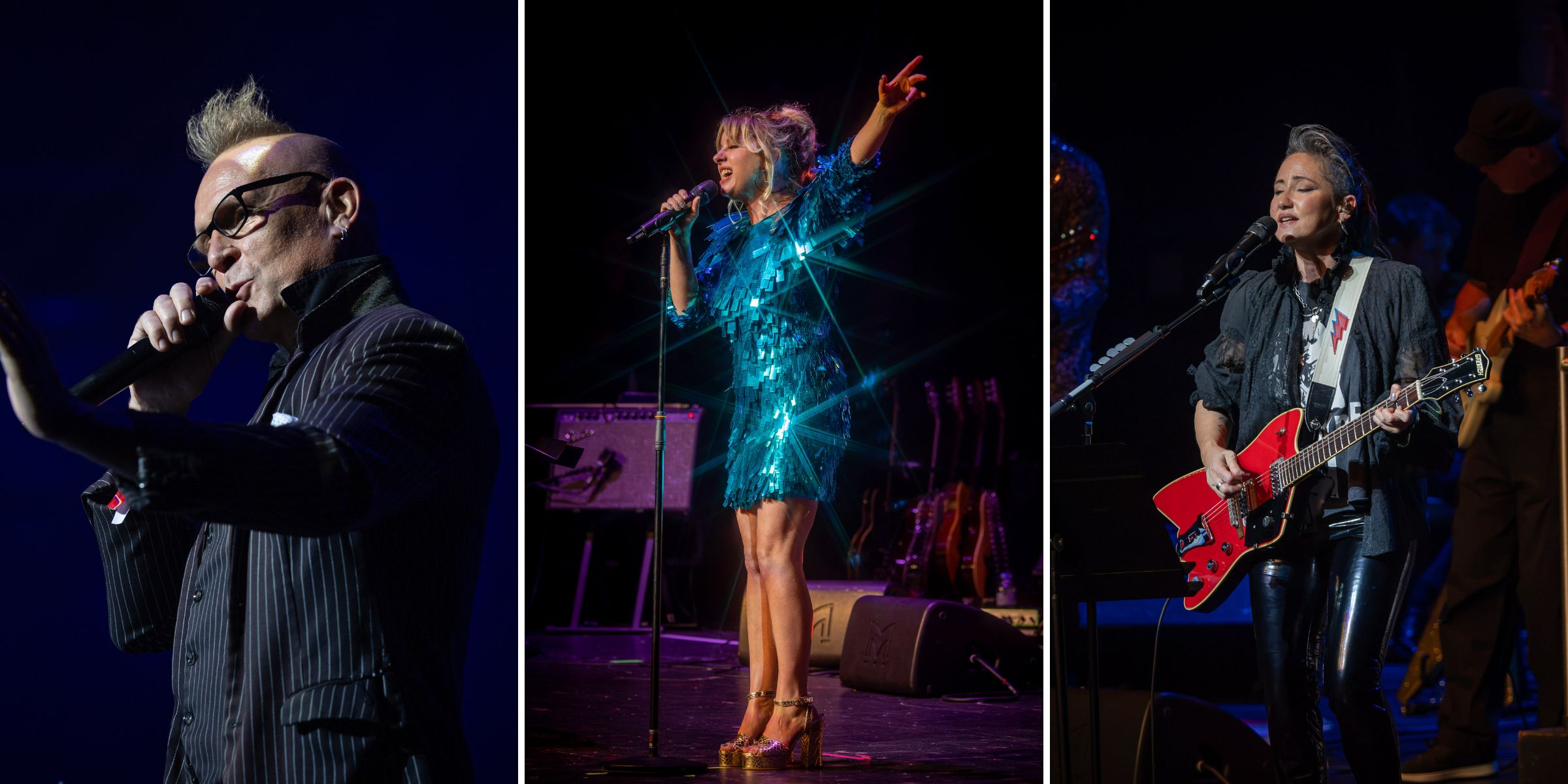
The immediate purpose was to support Blackpool’s bid to become UK City of Culture 2029. But arguably, the evening made most sense when viewed as one part of a much larger project: an attempt by the town and its leaders to place culture alongside investment, education, tourism and regeneration in the shaping of Blackpool’s future.
The distinction is important. Blackpool isn't attempting to invent a cultural identity because a national competition has appeared on the horizon. Entertainment is built into the town’s physical and social fabric: in its ballrooms, theatres, circus traditions, Illuminations, dance floors and popular music history. Blackpool has spent generations understanding something many places are now trying to rediscover - that culture doesn't have to be rarefied to be valuable, and that shared enjoyment can itself be a powerful form of civic life.
The challenge is to turn that inheritance into lasting opportunity for the people who live on the Fylde Coast.
Blackpool's entering a significant phase of regeneration, underpinned by a Growth and Prosperity programme valued at more than £2 billion. Its ambitions stretch from town-centre development and new employment to education, transport, housing and the creation of a stronger year-round economy. A new Multiversity campus, investment around Talbot Gateway and plans to extend the visitor season all belong to the same broad effort to build an economy that offers local people more than seasonal or insecure work.
Culture can't deliver all of that on its own. And a concert, however triumphant, mustn't be mistaken for evidence that Blackpool’s deeper challenges have been resolved.
But culture helps connect those ambitions. It can create employment, develop skills, encourage investment and give young people reasons to imagine a future for themselves within the town. It can bring residents into spaces that feel as though they belong to them. And it can help Blackpool tell a fuller national story about itself - one which acknowledges hardship without allowing hardship to become the town’s defining identity.
The People’s Stage looked to be designed with that larger purpose in mind.
Internationally recognised names were on the bill, but they didn't arrive to perform over the heads of Blackpool’s own amazing creative community. Little Boots and Rae Morris stood alongside the Hallé; Blackpool poet Nathan Parker presented an original spoken-word piece; and Harry Clayton-Wright read a newly commissioned, Blackpool-inspired lyric by Poet Laureate Simon Armitage, accompanied by the town’s Electric Pink Voices LGBTQ+ Choir.
%20Saul%20Davies%2C%20Spencer%20Phillips%20%26%20Joe%20Duddell.jpg)
Musical director Joe Duddell orchestrated a programme that moved between Bowie, orchestral music, pop, rock and spoken word. The event was co-curated by Saul Davies of James, Spencer Phillips of Blackpool Heritage and Museum Trust, broadcaster John Robb and Duddell himself.
It offered a useful model for what a credible City of Culture bid must achieve: not parachuting prestige into a place, but using it to amplify the talent, character and participation already there.
“What an incredible evening for Blackpool,” said Little Boots. “To see such diverse and brilliant talent come together for an unforgettable evening, I felt incredibly proud and believe Blackpool is absolutely worthy and deserving of this bid.”
The Bowie connection was much more than a convenient theme. The concert also looked ahead to the arrival of the V&A’s David Bowie: On Tour exhibition at Showtown in 2027. Opened in 2024, the museum represents another important strand of Blackpool’s cultural strategy: treating the history of popular entertainment not as municipal nostalgia, but as a nationally significant story worthy of preservation, scholarship and new creative work.
The People’s Stage therefore sat between past and future. It drew on the communal, democratic entertainment for which Blackpool has always been known, while making a compelling case for how that tradition might support the town’s next chapter.
Spencer Phillips described the event as “ambitious, joyful, moving and uniquely Blackpool.”
“This wasn’t just a concert,” he said. “It was a statement about the creativity, confidence and cultural ambition of our town.”
That statement is central to the bid. Blackpool has reached the second round of the UK City of Culture 2029 competition and is one of nine longlisted places. Although it's not technically a city, the competition is open to large places and areas, allowing Blackpool to compete on the strength of its population, cultural reach and distinct identity.
Success would bring £10 million towards a year-long cultural programme, with the potential to attract further investment and sponsorship. The prize would matter. But the most convincing bids aren't those that depend entirely on winning.
The stronger proposition is that the campaign becomes a mechanism for building relationships, developing local talent and making culture more accessible regardless of the final decision. In that respect, The People’s Stage wasn't only publicity for a possible year of culture in 2029. It was an early demonstration of what the process might leave behind - as we're seeing in Bradford.
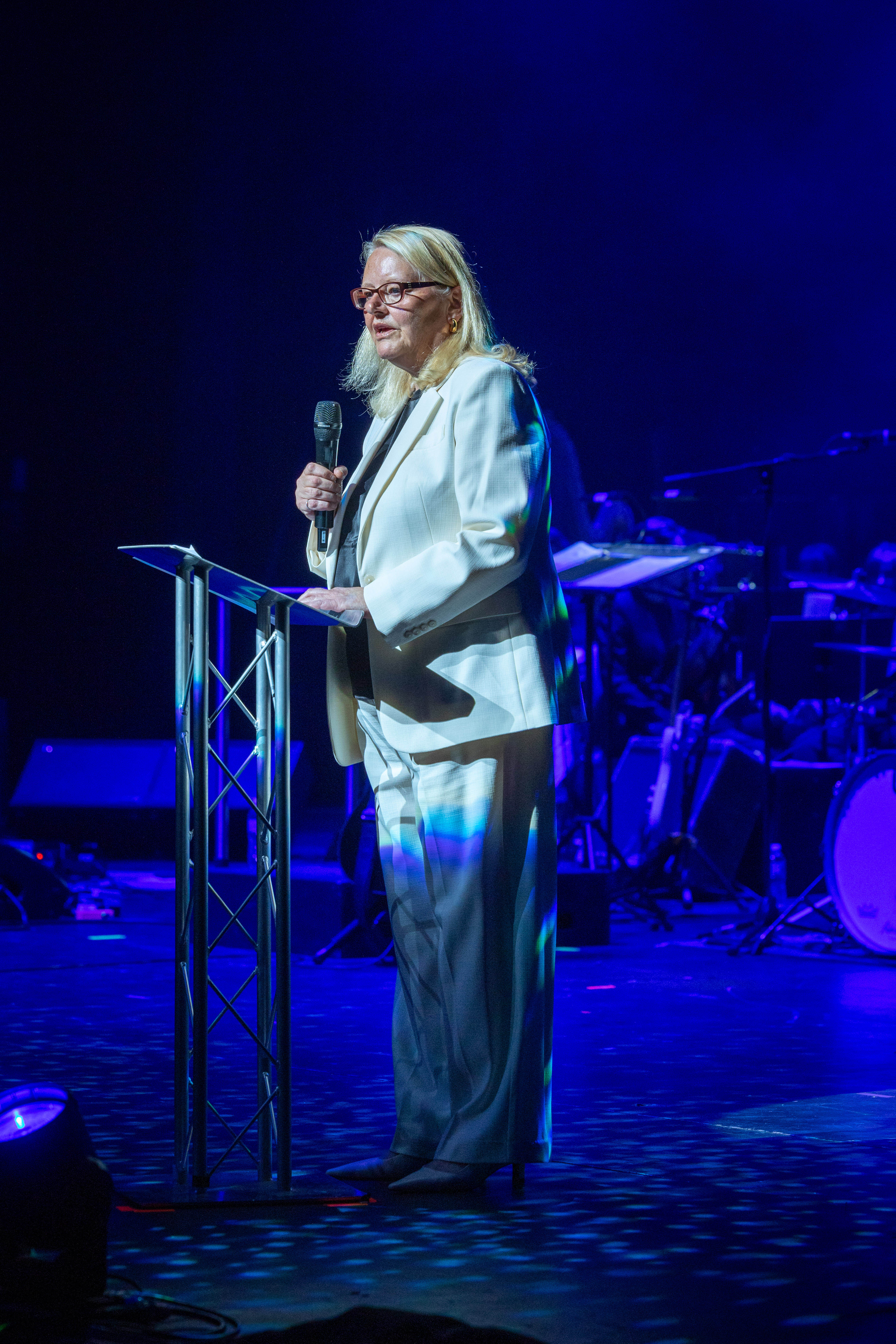
Blackpool Council’s current plan places communities and the economy at the centre of its work, with tourism and culture included in its ambitions for a fairer, safer and more prosperous town. Council leader Lynn Williams said the bid was about “so much more than a title”.
“It’s about creating opportunities for local people, inspiring the next generation and giving Blackpool the national recognition it deserves for the creativity that has always existed here,” she said.
That's the test now facing the team heading-up the campaign.
A City of Culture bid can produce spectacular events, national attention and persuasive films about pride. Its longer-term value will depend on whether the confidence displayed on the Opera House stage filters into neighbourhoods, schools, independent artists and young people; whether cultural investment can produce secure opportunities; and whether those currently least able to participate are placed near the centre of what comes next.
Blackpool has never lacked spectacle. What it's now attempting to demonstrate is that spectacle can be harnessed to strategy - and that the town’s extraordinary entertainment heritage can become an active ingredient in its social and economic renewal.
As the final notes of Heroes filled the Opera House and the audience rose to its feet, Blackpool delivered an impressive pitch for 2029.
More importantly, it offered a glimpse of the place its leaders believe Blackpool can become.
Click HERE to Back the Bid for Blackpool as UK City of Culture 2029
Header image: The audience for Blackpool’s People’s Stage at the Opera House. Martin Bostock Photography





